Scope, preparation & finish planning
A repair should address the cause, rebuild the surface, blend the texture, and prepare the area for paint
Drywall damage can come from plumbing or roof leaks, settling, fastener movement, door impacts, electrical work, remodeling, removed fixtures, or previous patching that was never finished correctly.
The first step is determining whether the cause has been corrected. Painting over an active leak, recurring crack, damp area, or loose substrate only hides the symptom temporarily.
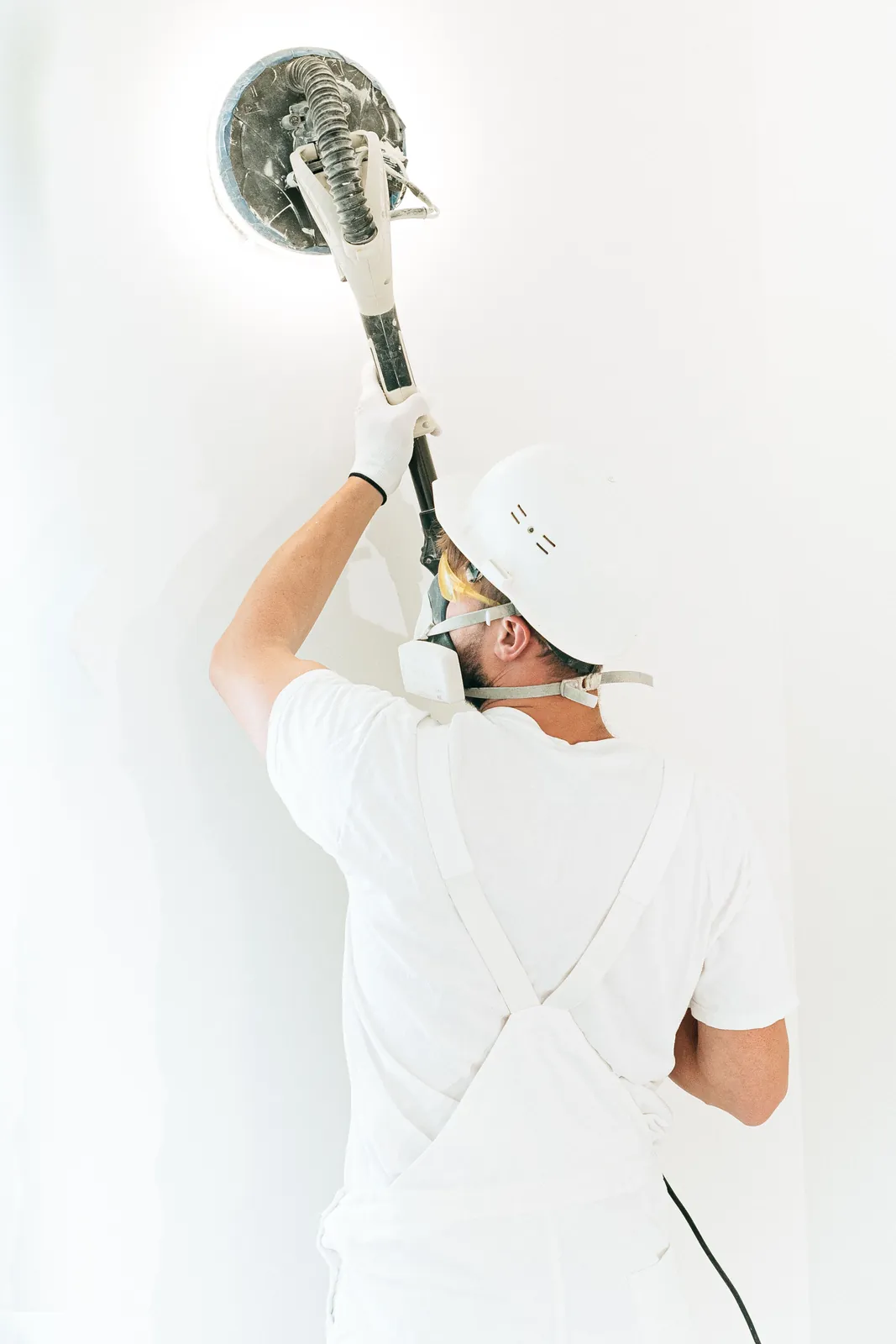
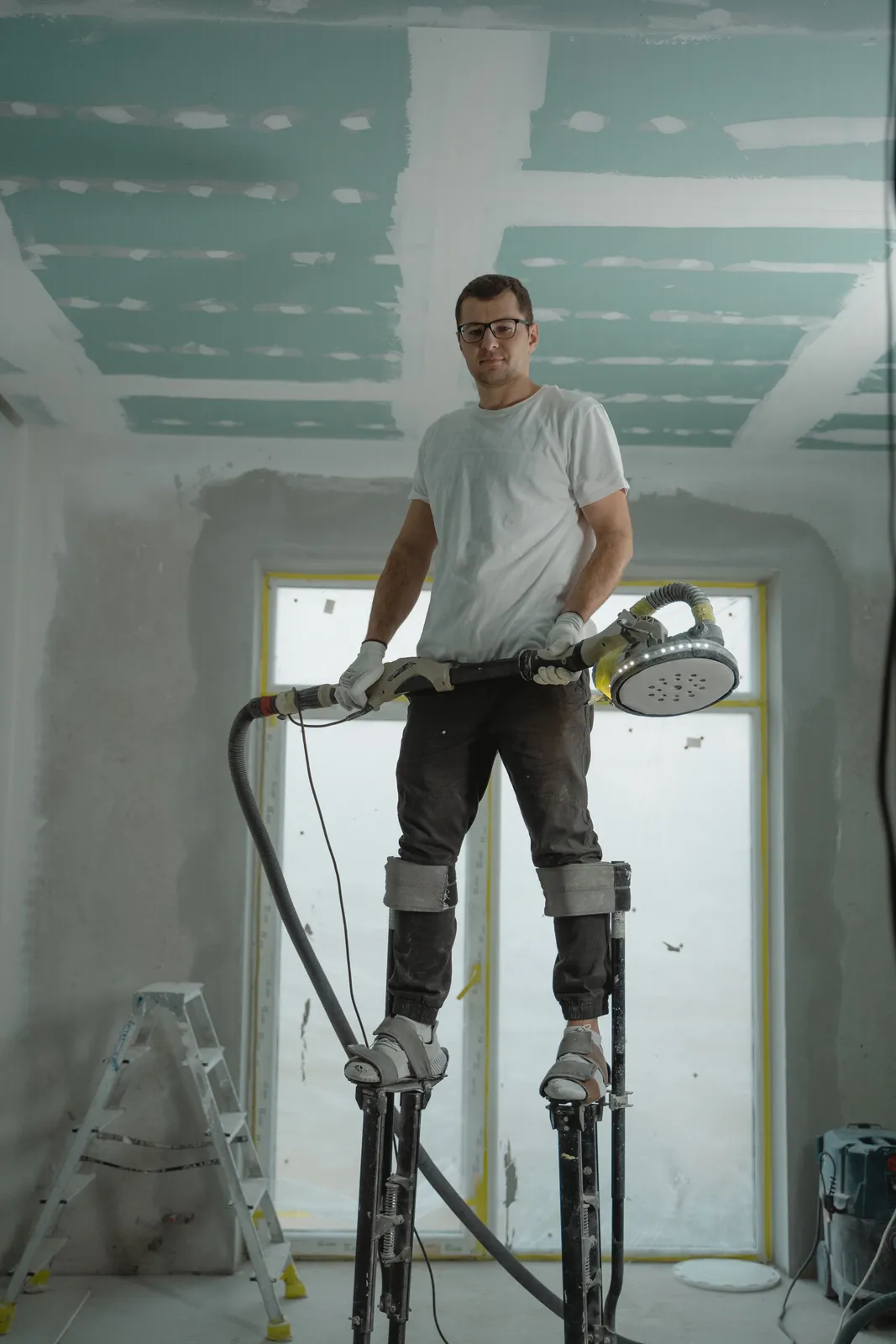
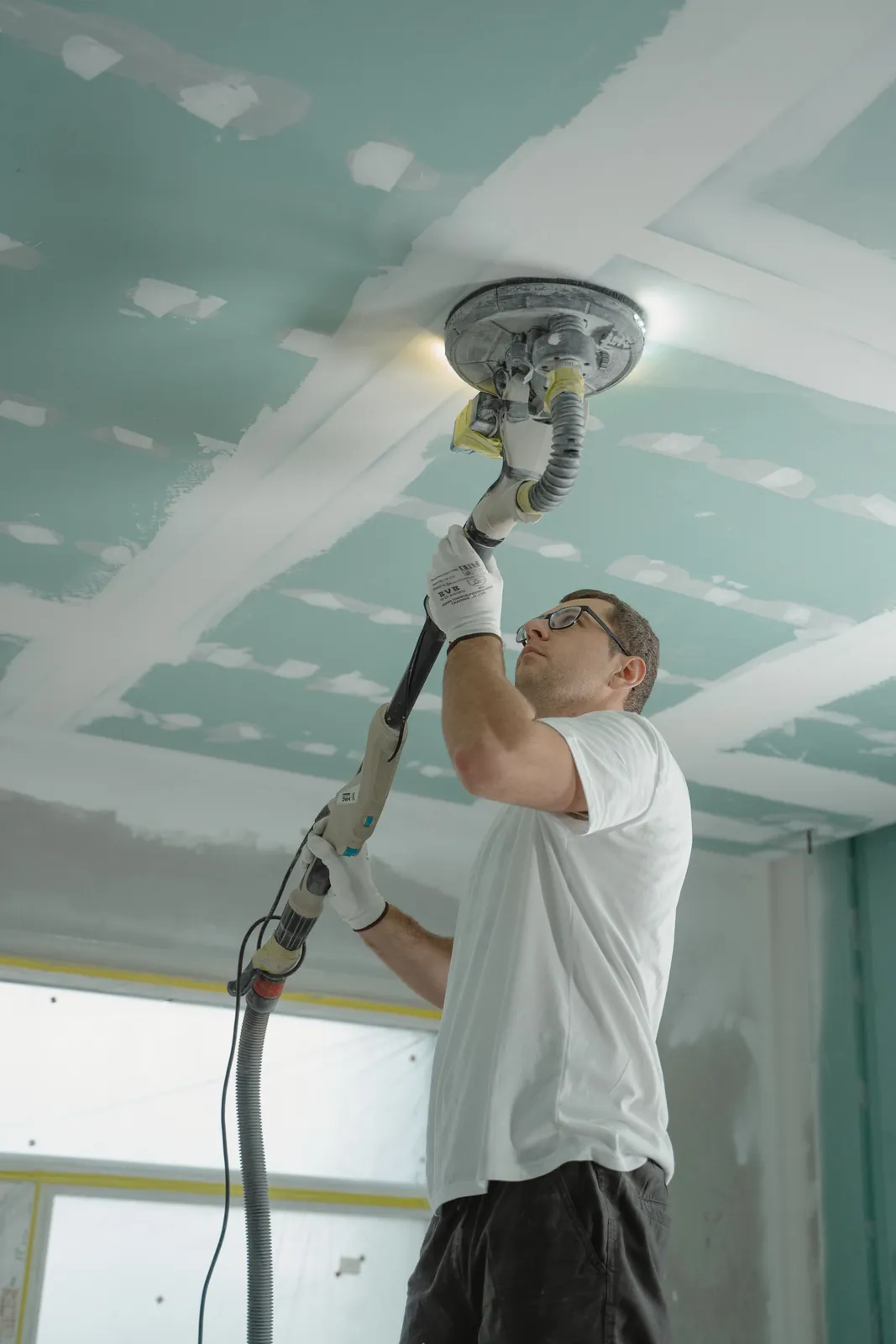
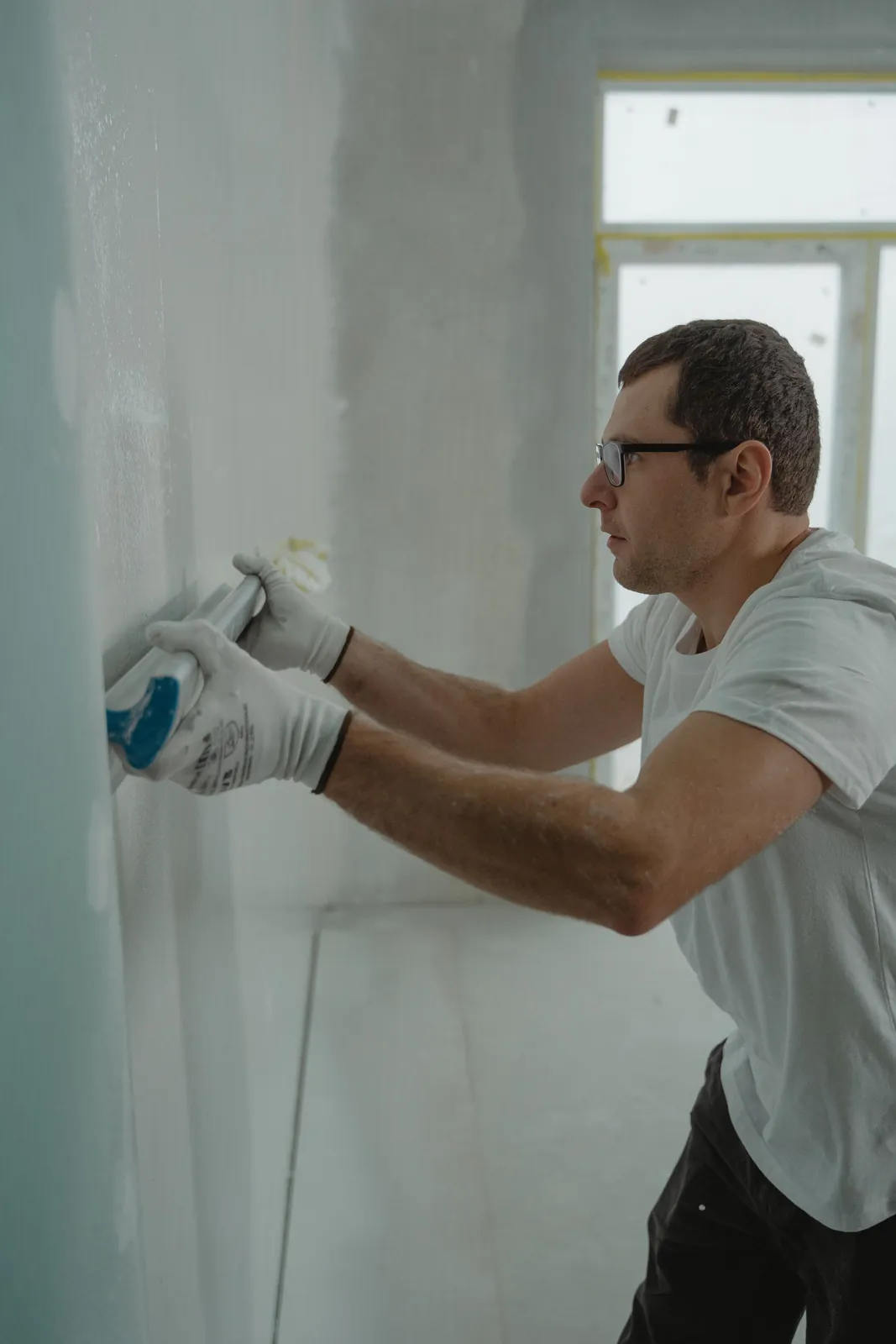
Repairs may involve backing, patch material, joint tape, compound, several drying cycles, sanding, and texture matching. Larger ceiling repairs may require more extensive blending so the transition is less visible under side lighting.
Fresh joint compound is porous and should be sealed before finish paint. Stains may need a suitable blocking primer, while repaired surfaces may need broader priming to avoid flashing between patched and existing areas.
Exact texture and sheen matches are not always possible, especially on older or repeatedly repaired walls. A good proposal should explain whether spot painting, wall-to-wall painting, or full ceiling painting is recommended for the best visual result.
Items to include when comparing proposals
- Small holes, anchor damage, dents, and door-handle impacts
- Cracks, nail pops, joint separation, and corner damage
- Water-damaged areas after the source has been corrected
- Ceiling patches, access cuts, and texture blending
- Orange peel, knockdown, smooth, and other texture discussions
- Stain-blocking, spot priming, and full-surface priming
- Wall-to-wall or ceiling-to-ceiling finish painting
- Dust containment, sanding controls, and occupied-home cleanup
Questions homeowners often ask
Can a drywall patch be painted the same day?
Small repairs with fast-setting materials may progress quickly, but many patches require multiple coats and drying time. Rushing can leave shrinkage, visible edges, or trapped moisture.
Why does a patched area show through paint?
The patch may have a different porosity, texture, sheen, or surface profile. Proper sanding, priming, and broader finish coverage can reduce flashing and texture differences.
Should a water stain be painted immediately?
Only after the leak or moisture source has been corrected and the material is dry and sound. Damaged material may need replacement, and remaining staining may require a blocking primer.