Scope, preparation & finish planning
Commercial painting should support the business schedule, safety requirements, traffic, cleaning, and brand appearance
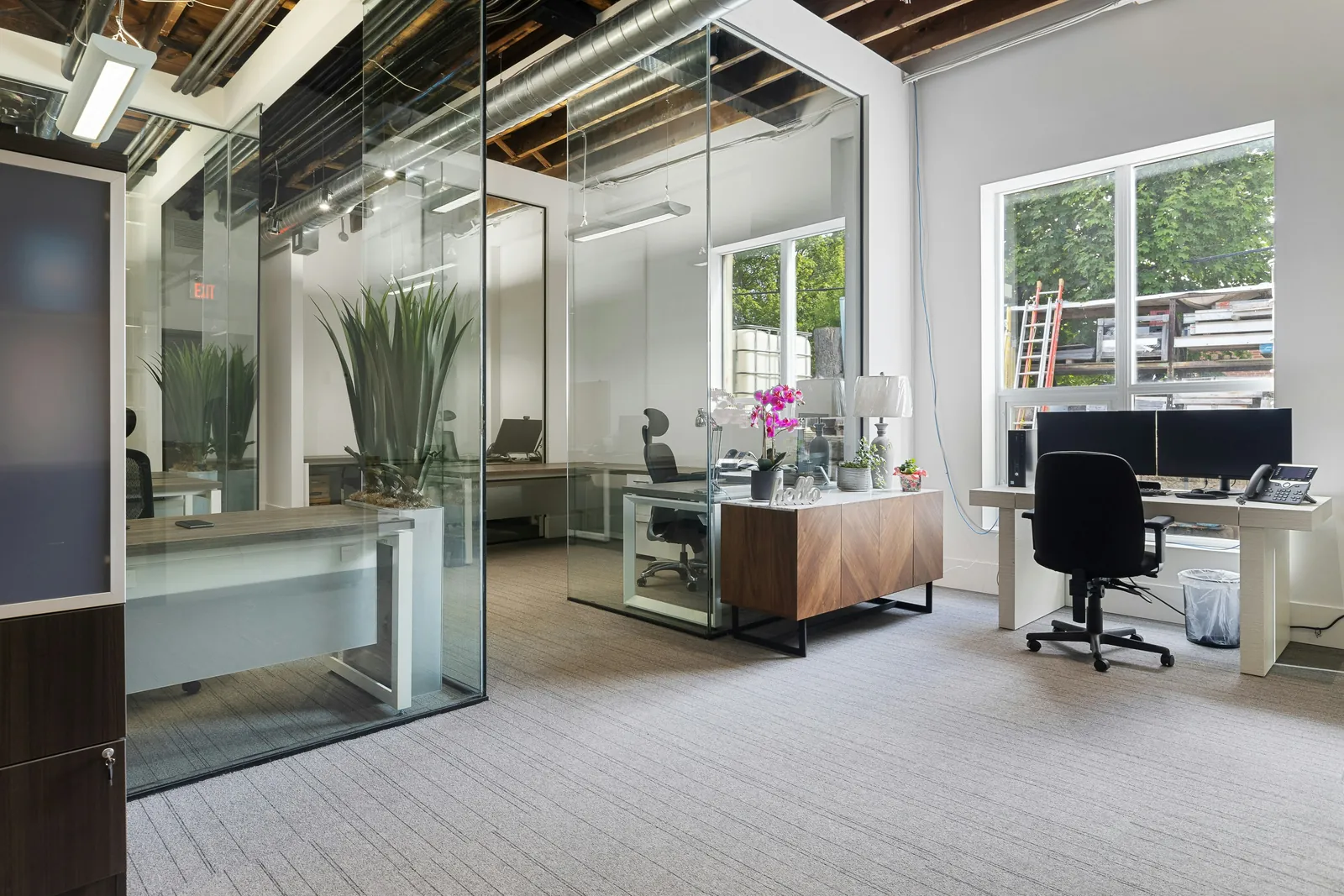
Commercial projects range from a small office repaint to multi-tenant common areas, retail refreshes, restaurant interiors, warehouses, medical or professional spaces, and exterior maintenance programs.
The work plan should account for operating hours, public access, employees, equipment, furniture, ventilation, odors, security, deliveries, and the amount of downtime the business can accept.
Coating selection should reflect the surface and use. High-contact corridors, restrooms, kitchens, offices, ceilings, metal doors, masonry, and exterior walls may require different preparation and products.
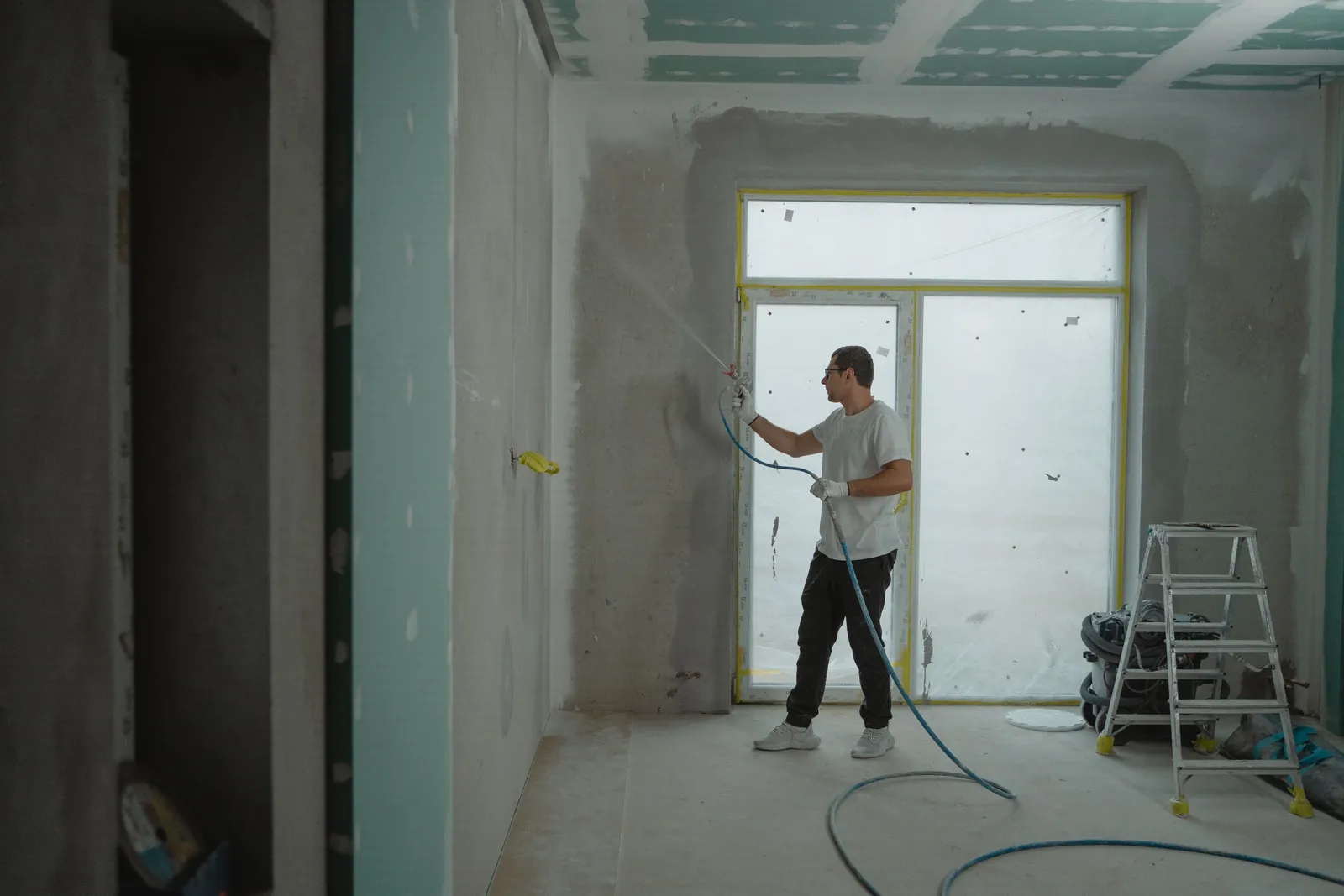
Phased work, night or weekend scheduling, daily cleanup, wet-paint controls, and communication with property managers can be as important as the coating itself.
A useful proposal should define areas, colors, surface preparation, repairs, product systems, access equipment, schedule, exclusions, cleanup, and the process for changes or additional work.
Items to include when comparing proposals
- Offices, retail, restaurants, professional suites, and common areas
- Rental communities, clubhouses, corridors, stairwells, and turnovers
- Warehouses, workshops, service areas, and back-of-house spaces
- Interior walls, ceilings, doors, frames, trim, and selected floors
- Exterior stucco, masonry, siding, metal, and maintenance painting
- Night, weekend, phased, and low-disruption scheduling
- Color matching, brand colors, and property standards
- Insurance, site rules, access, safety, cleanup, and documentation
Questions homeowners often ask
Can commercial painting be completed outside business hours?
Often yes, depending on access, lighting, security, ventilation, noise, drying time, and the contractor's staffing. Scheduling expectations should be written into the proposal.
What information helps price a commercial painting project?
Plans or measurements, photos, surface condition, operating hours, access restrictions, colors, coating requirements, repairs, furniture or equipment, and the required completion date are all useful.
Can occupied offices be painted in phases?
Yes. Phasing can limit disruption, but furniture movement, employee access, drying, ventilation, and consistent color batches should be planned carefully.