Scope, preparation & finish planning
Exterior painting for coastal sun, humidity, rain, salt exposure, and varied building materials
Exterior paint protects as well as decorates. In St. Augustine, the coating system must cope with intense sun, warm humid conditions, wind-driven rain, mildew pressure, coastal air, and repeated wet-dry cycles.
The correct process depends on whether the home has stucco, fiber-cement siding, wood siding, masonry, metal, vinyl components, painted brick, or a combination of materials. Each surface may need different cleaning, repair, primer, and finish products.
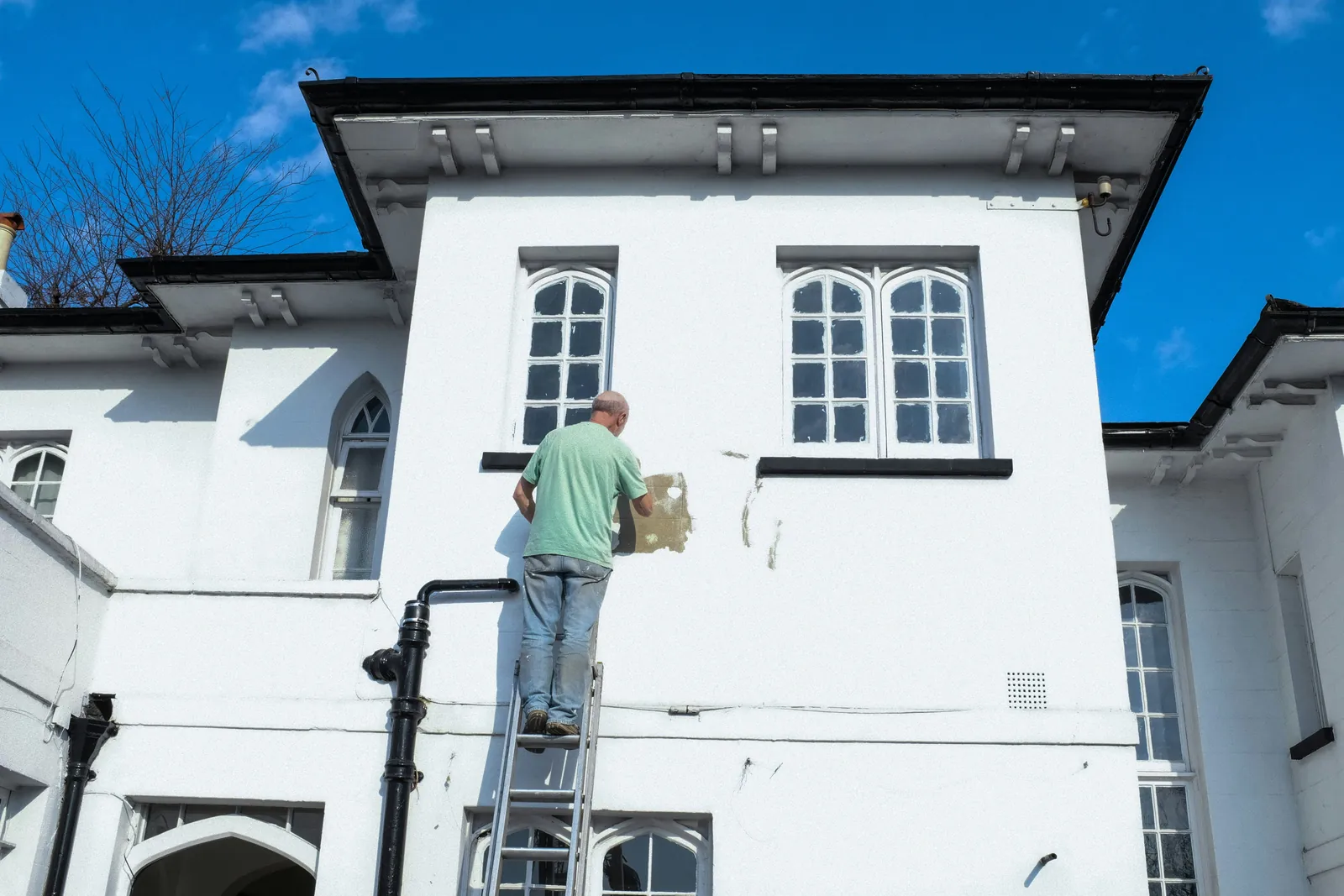
Preparation typically receives more time than the final coats. Washing, scraping, sanding, caulking, patching, stucco repair, rust treatment, wood repair, and spot priming should be scoped before pricing is compared.
Weather windows matter. Paint should not be applied to wet surfaces, during unsuitable temperature or humidity conditions, or when rain and heavy dew are likely to interfere with curing. Product data should guide timing rather than a generic rule.
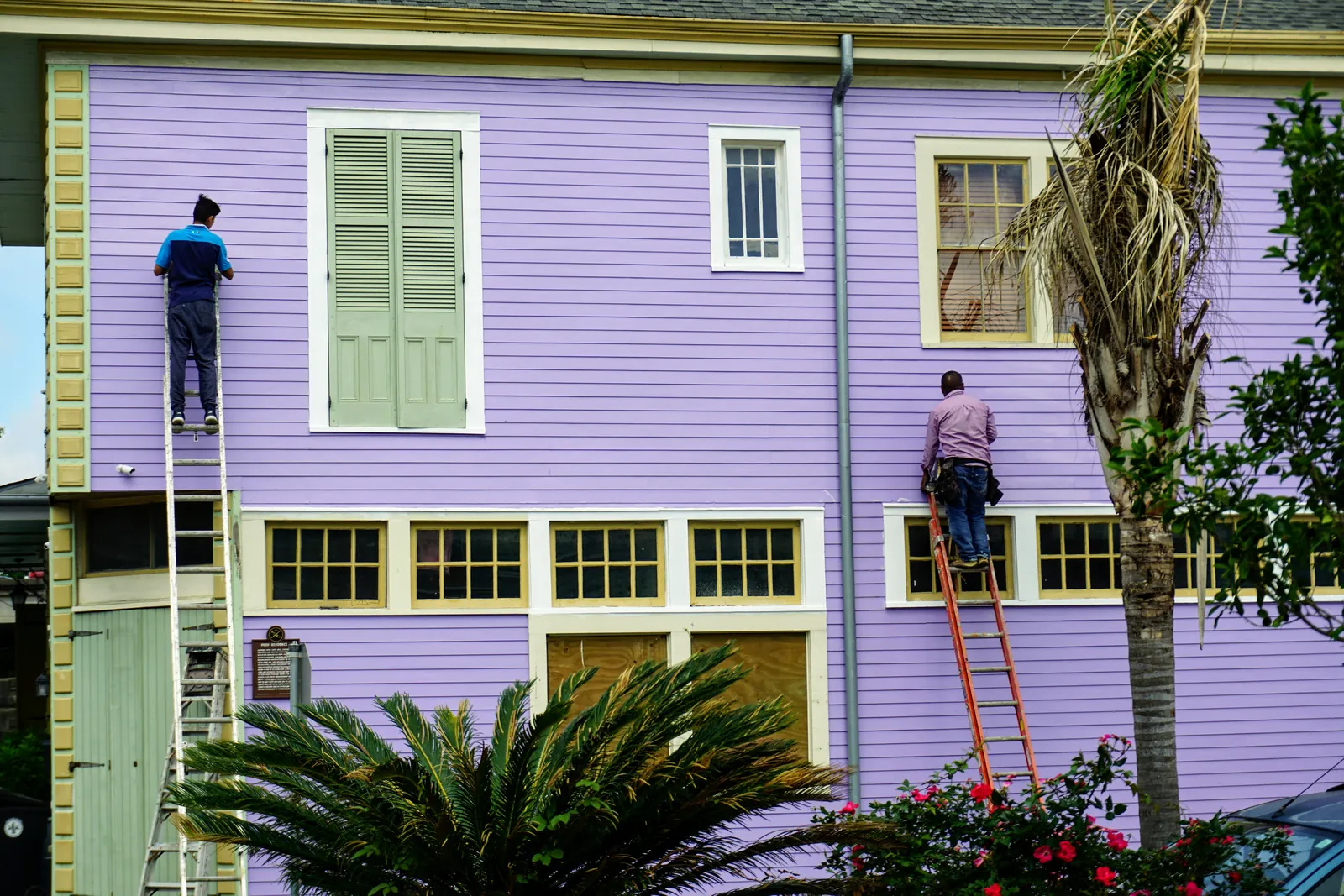
A complete estimate should specify the surfaces included, access requirements, repair allowances, primer strategy, number of coats, product line, sheen, color limitations, protection of landscaping and hardscape, and the cleanup and warranty process.
Items to include when comparing proposals
- Stucco, siding, masonry, painted brick, and mixed-material exteriors
- Fascia, soffits, trim, shutters, doors, columns, and garage doors
- Pressure washing or soft washing matched to the surface
- Scraping, sanding, caulking, patching, and spot priming
- Mildew, chalking, efflorescence, rust, and peeling assessment
- Coastal exposure, shade, sun orientation, and moisture paths
- Historic-district color and review considerations where applicable
- Weather planning, access, landscaping protection, and final cleanup
Questions homeowners often ask
How often should a Florida home exterior be repainted?
There is no single interval. Substrate, previous preparation, product, sun exposure, moisture, color, workmanship, and maintenance all affect service life. Regular inspections are more useful than relying only on a calendar.
Can exterior paint be applied in humid weather?
Humidity alone does not always prevent painting, but surface moisture, dew point, temperature, rain risk, and product requirements must be considered. The surface needs to be dry and within the coating manufacturer's application limits.
Should exterior walls always be pressure washed first?
Cleaning is usually important, but the method and pressure must fit the material. Aggressive pressure can damage stucco, wood, sealants, windows, and older coatings, so washing should be controlled and followed by adequate drying time.