Scope, preparation & finish planning
Interior painting planned around the room, the existing finish, and the way the home is used
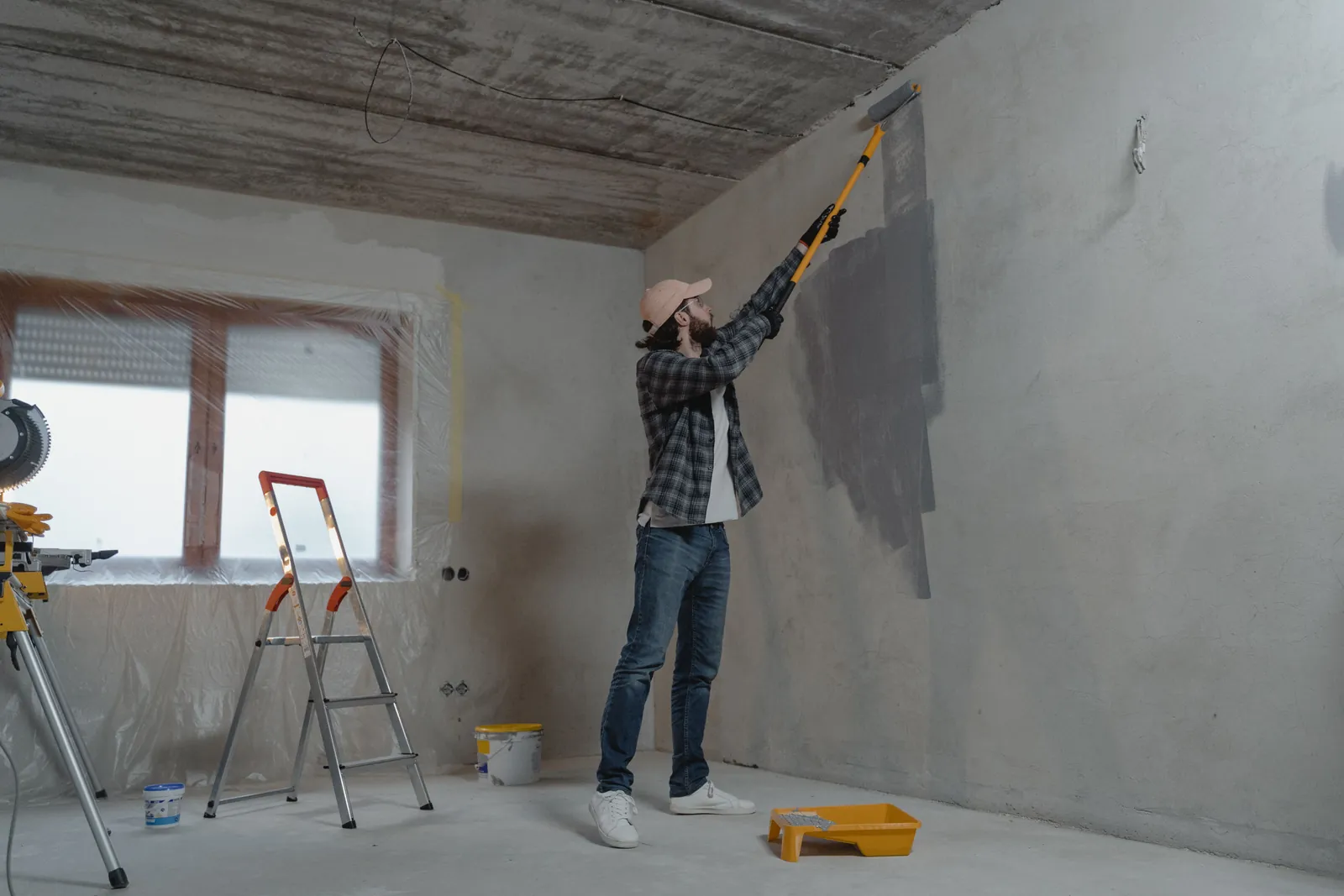
Interior painting is more than choosing a wall color. A useful estimate should account for the current coating, stains, sheen, wall texture, ceiling height, trim profile, furniture, flooring, repairs, and whether the home will be occupied during the work.
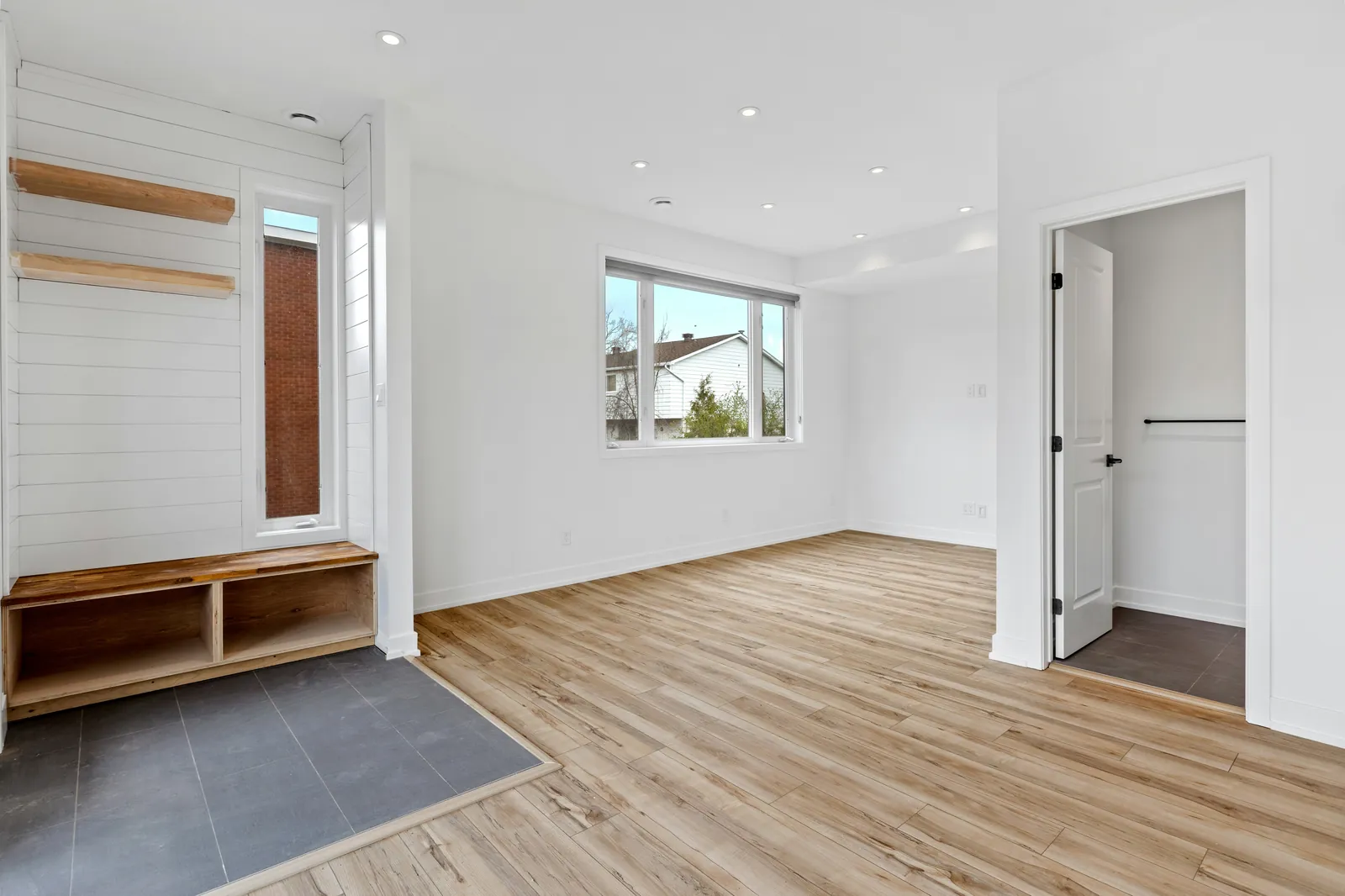
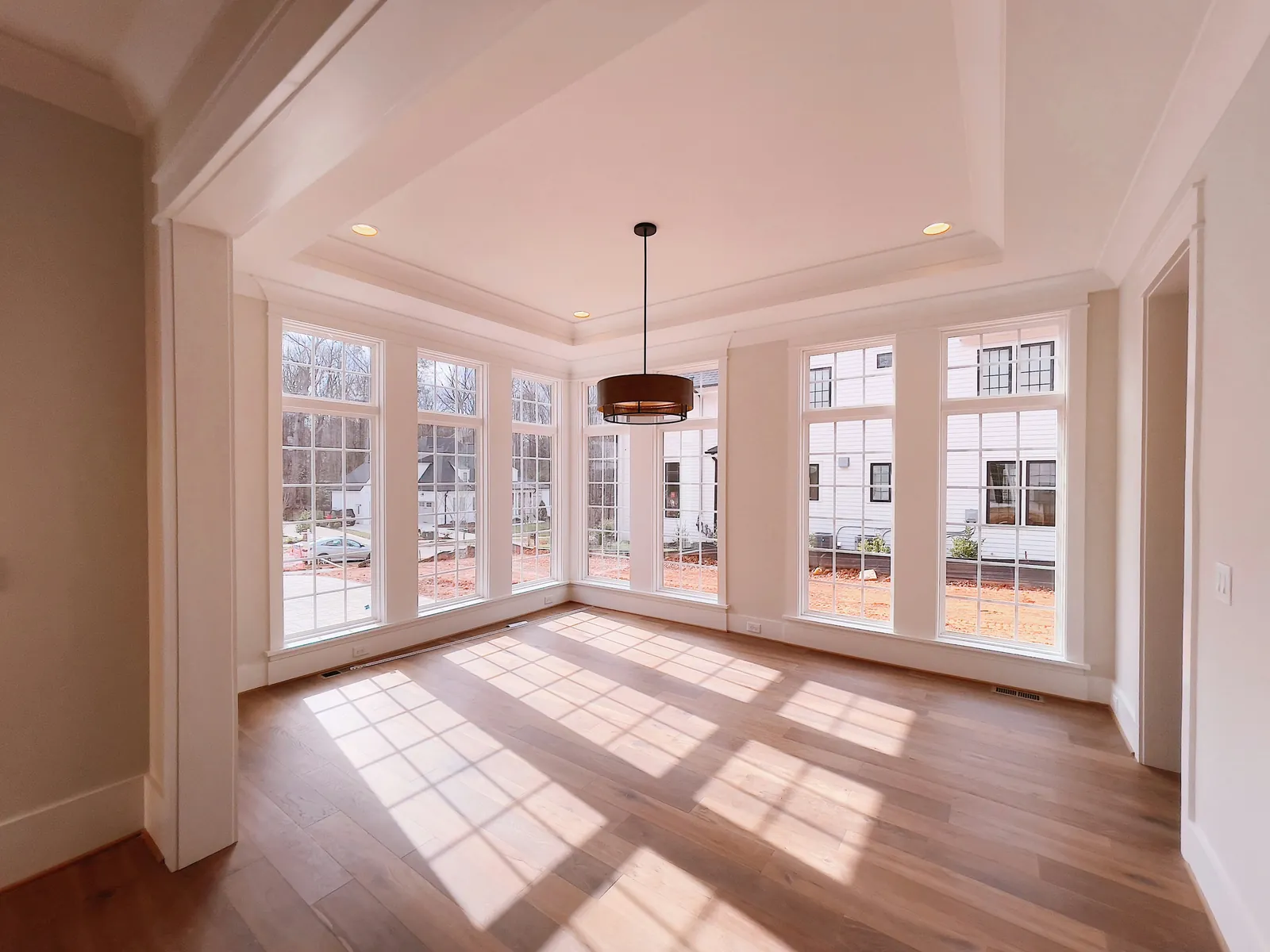
St. Augustine homes range from historic interiors with layered coatings and detailed woodwork to newer open-concept homes with tall walls, tray ceilings, and builder-grade finishes. Each situation calls for a different preparation and application plan.
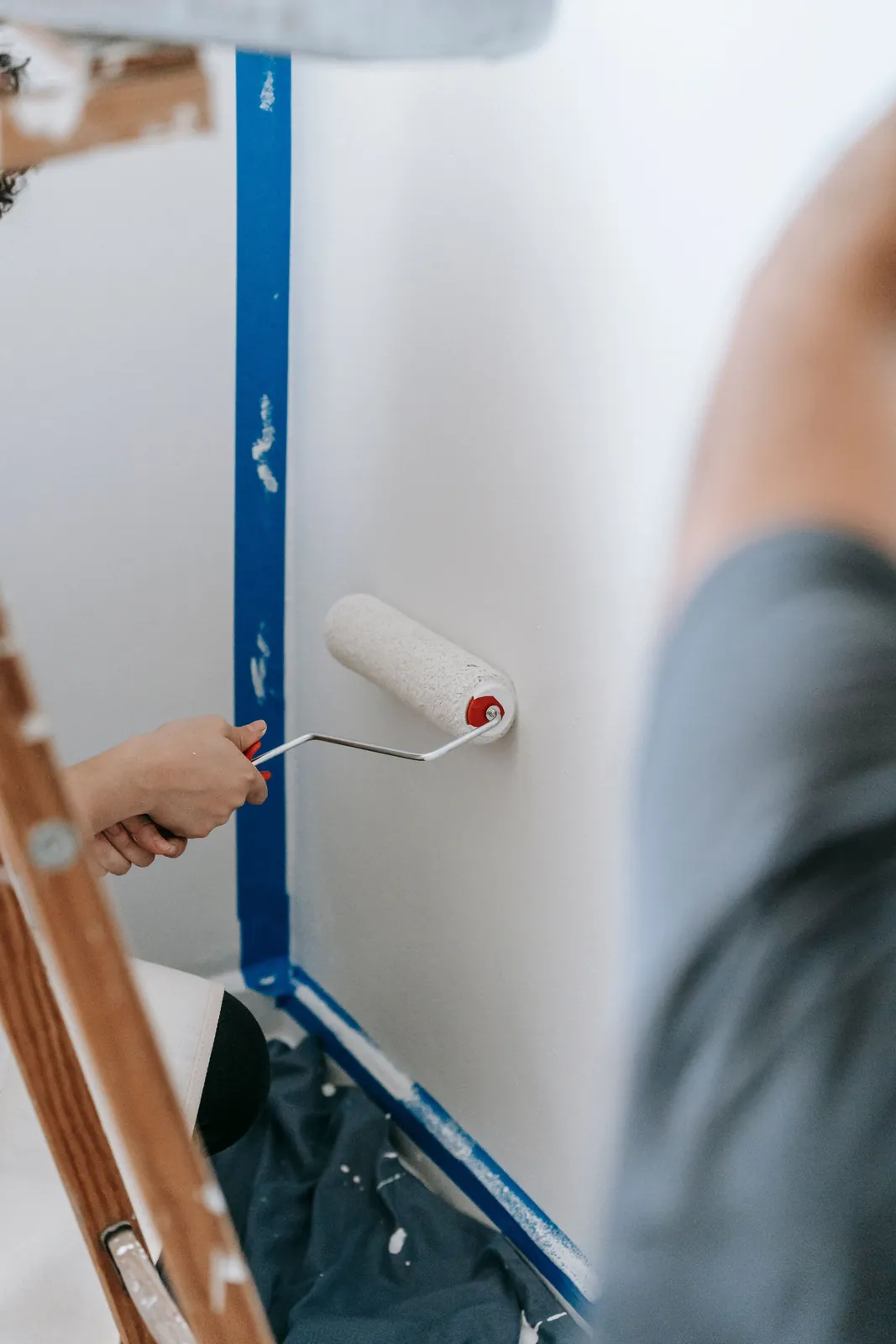
Before paint is applied, surfaces may need cleaning, nail-hole filling, drywall patching, caulking, sanding, stain blocking, and spot priming. These steps are what help the final color look even across repaired and unrepaired areas.
Color and sheen should be selected together. Flat and matte finishes reduce glare but may be less washable; eggshell and satin can improve cleanability; semi-gloss is often considered for trim, doors, and selected high-contact areas. Product-specific performance matters more than the label alone.
A written proposal should identify which rooms and surfaces are included, how many coats are expected, what repairs are included, who moves furniture, how floors are protected, and how touch-ups and final inspection are handled.
Items to include when comparing proposals
- Walls, ceilings, closets, stairways, and two-story spaces
- Baseboards, crown molding, window trim, doors, and frames
- Drywall holes, cracks, nail pops, stains, and texture blending
- Occupied-home protection, dust control, and daily cleanup
- Color changes from dark to light or light to saturated colors
- Kitchen, bath, bedroom, living room, and whole-home projects
- Move-in, pre-sale, rental-turnover, and remodel painting
- Low-odor and low-VOC product discussions where appropriate
Questions homeowners often ask
Do painters need to prime every interior wall?
Not always. Primer may be appropriate over bare drywall, repairs, stains, glossy coatings, porous surfaces, or difficult color changes. The existing surface and selected finish product should guide the recommendation.
How many coats does interior painting require?
Coverage depends on the current color, new color, surface porosity, sheen, application method, and product. A proposal should explain whether one finish coat, two finish coats, or primer plus finish coats are expected.
Can interior painting be completed while the home is occupied?
Often yes. The project can be phased by room, but furniture access, ventilation, pets, children, drying time, and daily cleanup should be discussed before work begins.