Quick answer
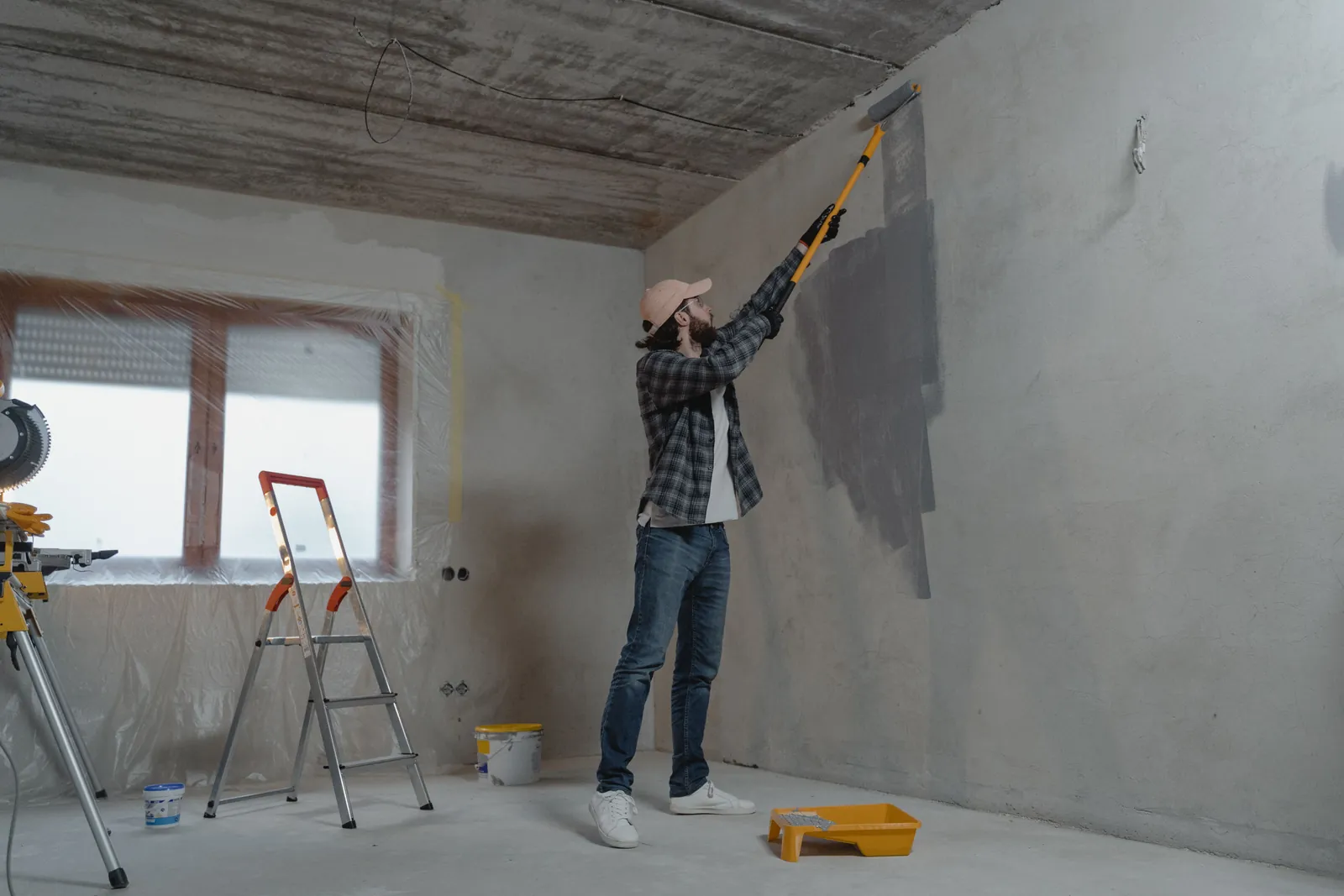
Painting cost is driven by measurable scope and condition: square footage, surface area, height, repairs, preparation, accessibility, coating system, color change, protection, and project schedule.
Why square footage is only the beginning
Floor area does not equal paintable surface area. Two homes with the same square footage may have very different wall heights, open stairways, doors, trim, cabinets, exterior complexity, and repair needs.
A useful estimate should list the rooms or exterior components included rather than relying only on a broad price per square foot.
Preparation and repairs
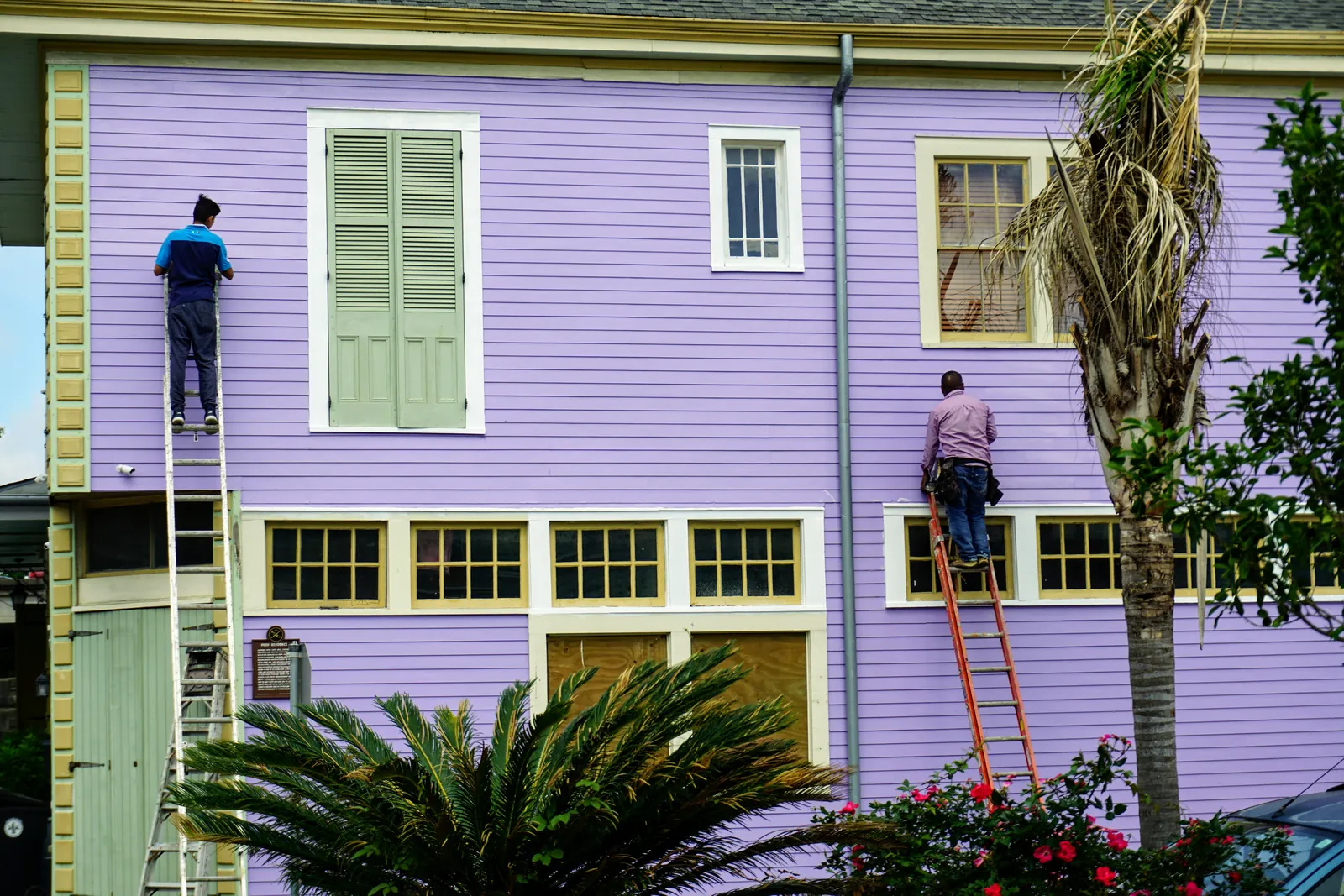
Nail holes, cracks, peeling, chalking, stains, mildew, failed caulk, stucco damage, wood deterioration, and previous coating problems all add labor and materials.
Preparation is often the largest difference between a quick cosmetic repaint and a more durable professional scope.
Paint system and number of coats
Primer, finish product, sheen, color change, porous surfaces, and application method affect material use and labor.
Ask whether the proposal assumes one finish coat, two finish coats, spot primer, full primer, or a specialty blocking or bonding primer.
Access, protection, and schedule
High walls, stairways, occupied rooms, furniture, landscaping, lifts, scaffolding, restricted business hours, and short deadlines can affect the project plan.
Compare estimates by included scope, not just the bottom-line number.
Homeowner comparison checklist
- Exact rooms, elevations, and surfaces included
- Repairs and preparation included or excluded
- Primer and finish product names
- Number of coats and color-change assumptions
- Furniture, floor, landscape, and fixture protection
- Access equipment, scheduling, cleanup, and warranty
Frequently asked questions
Should I expect an estimate without seeing the property?
Photos and measurements can provide a starting point, but an in-person review is often needed for accurate repair, access, and surface-condition pricing.
Why are painting bids sometimes far apart?
They may include different preparation, repairs, products, coats, protection, insurance, crew size, and warranty terms. Ask each contractor to clarify the scope.
Is the cheapest estimate usually the best value?
Not necessarily. The most useful comparison is the price for a clearly defined and comparable scope.