Quick answer
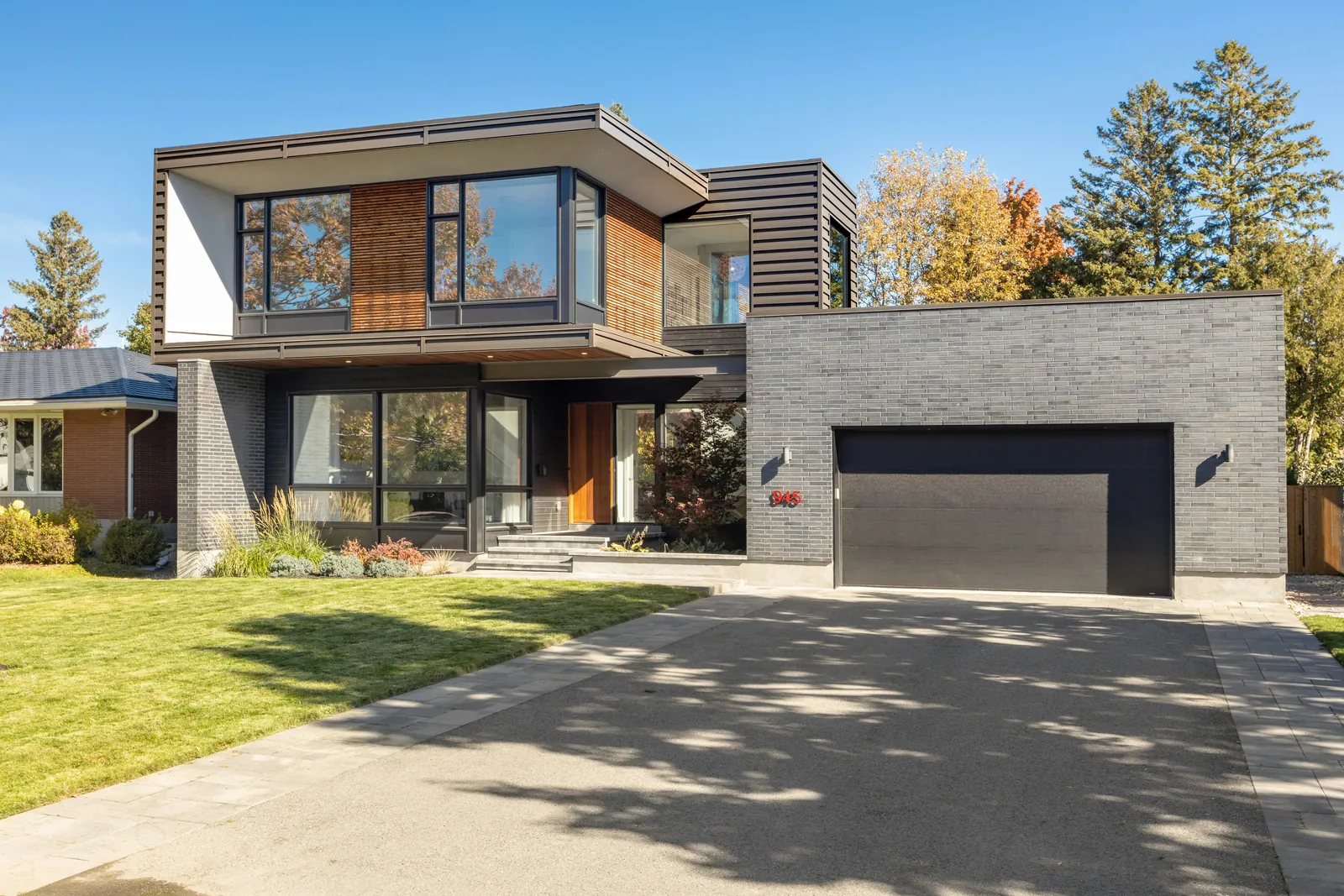
Inspect the coating condition rather than relying on a fixed schedule. Exposure, substrate, previous preparation, product, color, moisture, and maintenance vary widely.
Exterior warning signs
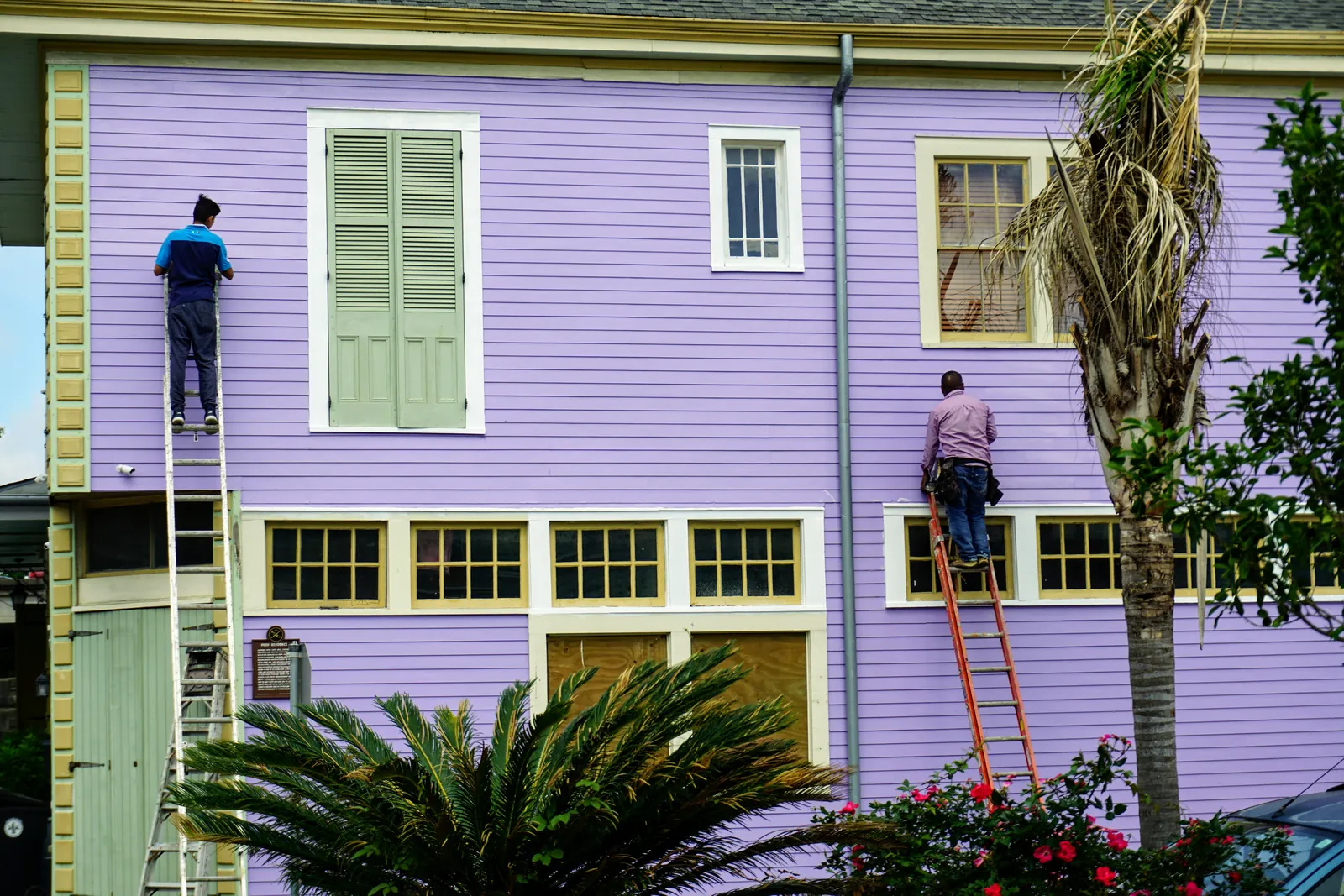
Fading, chalking, cracking, peeling, exposed substrate, open caulk joints, mildew, rust, and repeated water staining are reasons to investigate.
South- and west-facing walls often weather differently from shaded elevations.
Interior warning signs
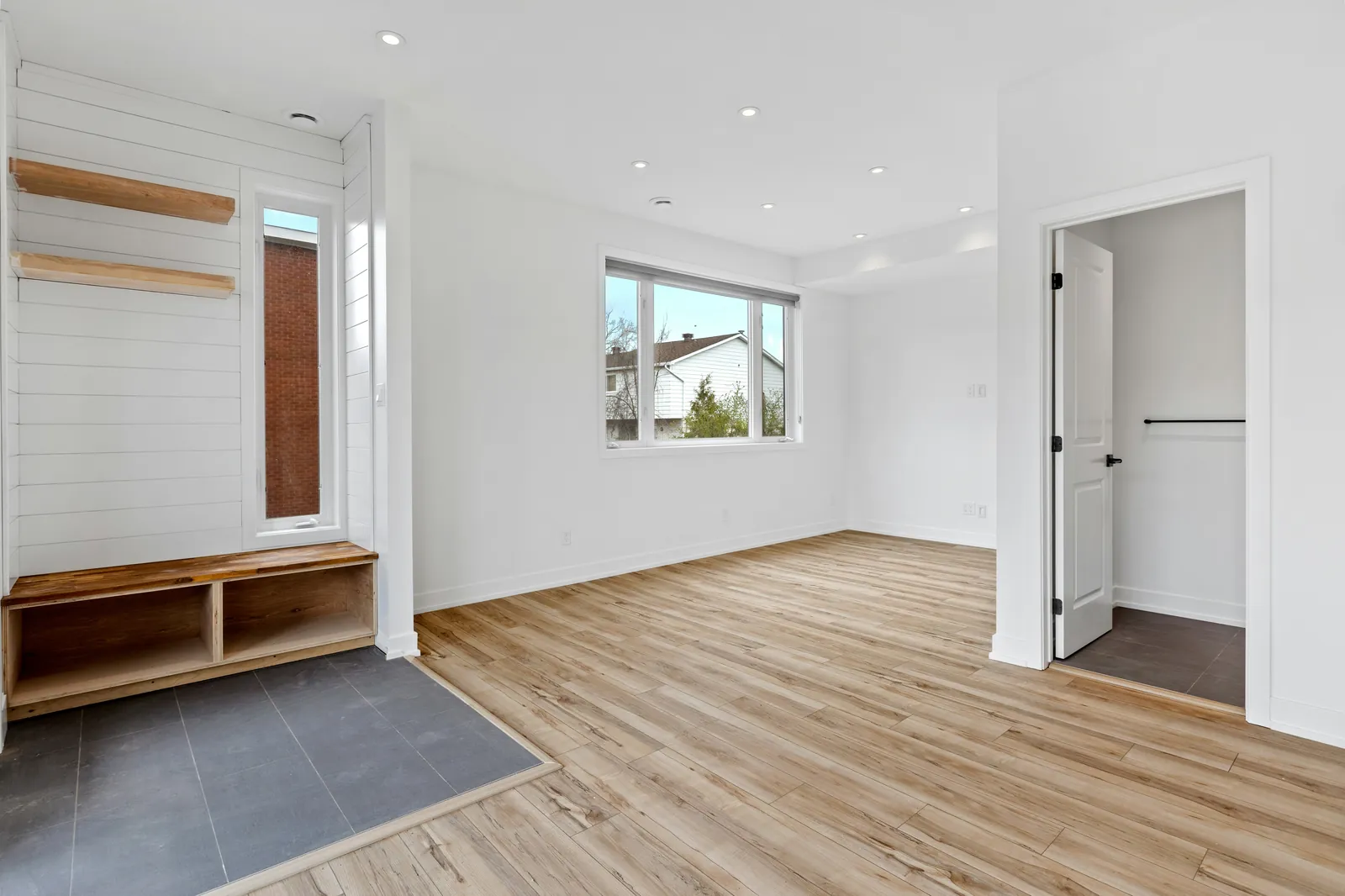
Interior repainting may be driven by scuffs, stains, faded touch-ups, sheen loss, color changes, repairs, and damaged caulk rather than coating failure.
Bathrooms, kitchens, halls, children's rooms, and rentals may need attention sooner because of cleaning and traffic.
Why intervals vary
Wood, stucco, masonry, trim, doors, and metal components do not age at the same rate.
A well-prepared system can outperform a newer coating that was applied over contamination or weak layers.
Maintain before failure spreads
Cleaning, caulk repair, moisture correction, and spot maintenance may extend the useful life of sound areas.
Waiting until large sections peel can increase preparation and repair costs.
Homeowner comparison checklist
- Walk every exterior elevation in daylight
- Check caulk and sealant around openings
- Look for chalk on a dark cloth
- Inspect shaded mildew-prone areas
- Review interior high-traffic walls and trim
- Photograph changes and compare yearly
Frequently asked questions
Does coastal exposure shorten paint life?
It can. Salt, wind, moisture, sand, and strong sun increase maintenance demands, but substrate, coating system, and preparation remain important.
Can faded paint be cleaned instead of repainted?
Cleaning may remove dirt or mildew, but true pigment fading and coating erosion are not restored by washing.
Should I repaint before selling?
A targeted repaint can improve presentation, but prioritize visible wear, strong personalized colors, repairs, trim, doors, and the main living areas.