Quick answer
Choose sheen by surface condition, cleaning needs, light, traffic, and product performance—not by room name alone.
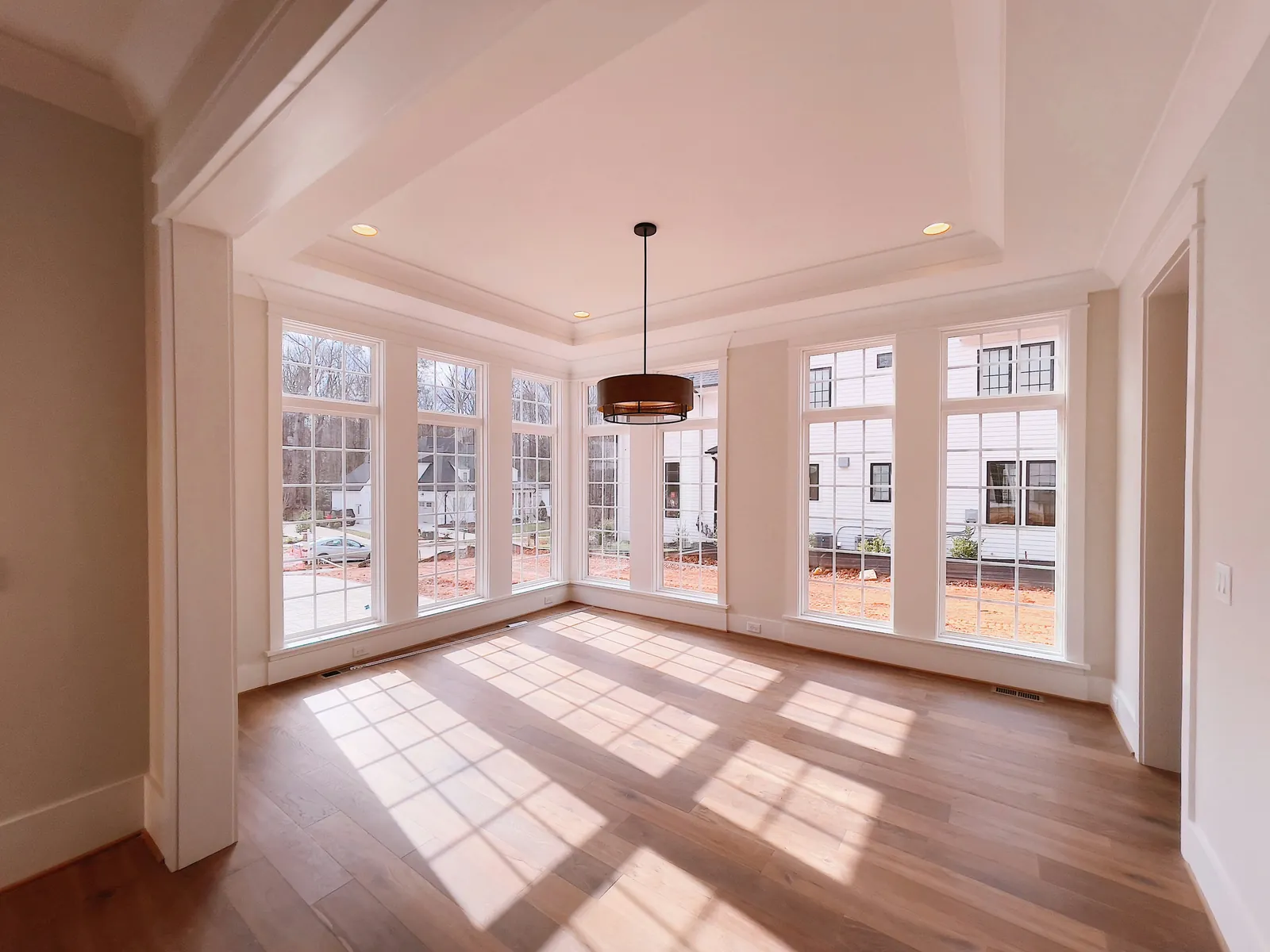
Flat and matte
Flatter finishes reflect less light and can make wall texture and patches less noticeable.
Washability varies greatly by product, so premium matte paints may perform differently from basic flat ceiling paint.
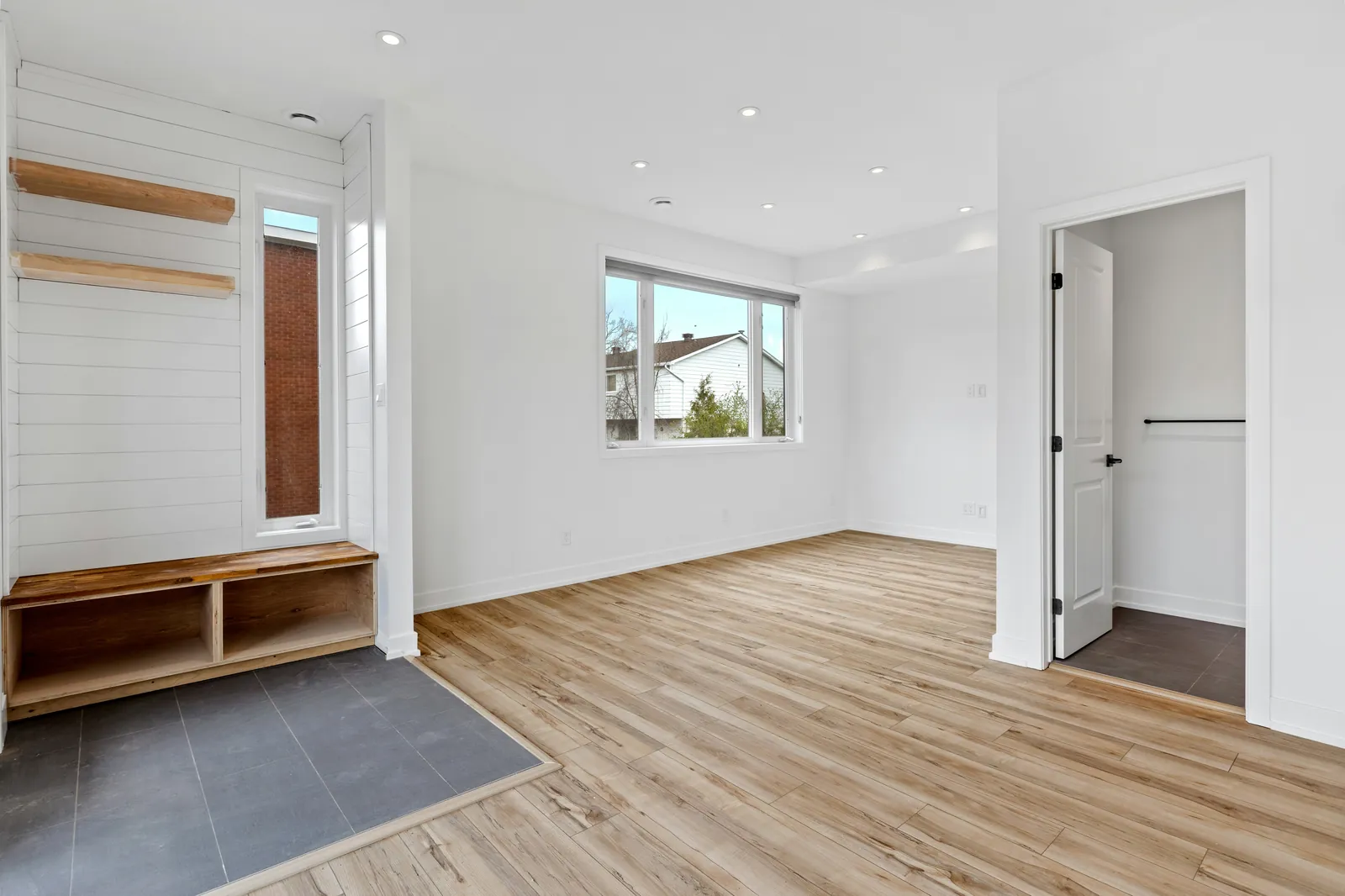
Eggshell and satin
These finishes are common for living spaces and higher-use rooms because they can balance appearance and cleaning.
The same sheen label can look different across brands and product lines.
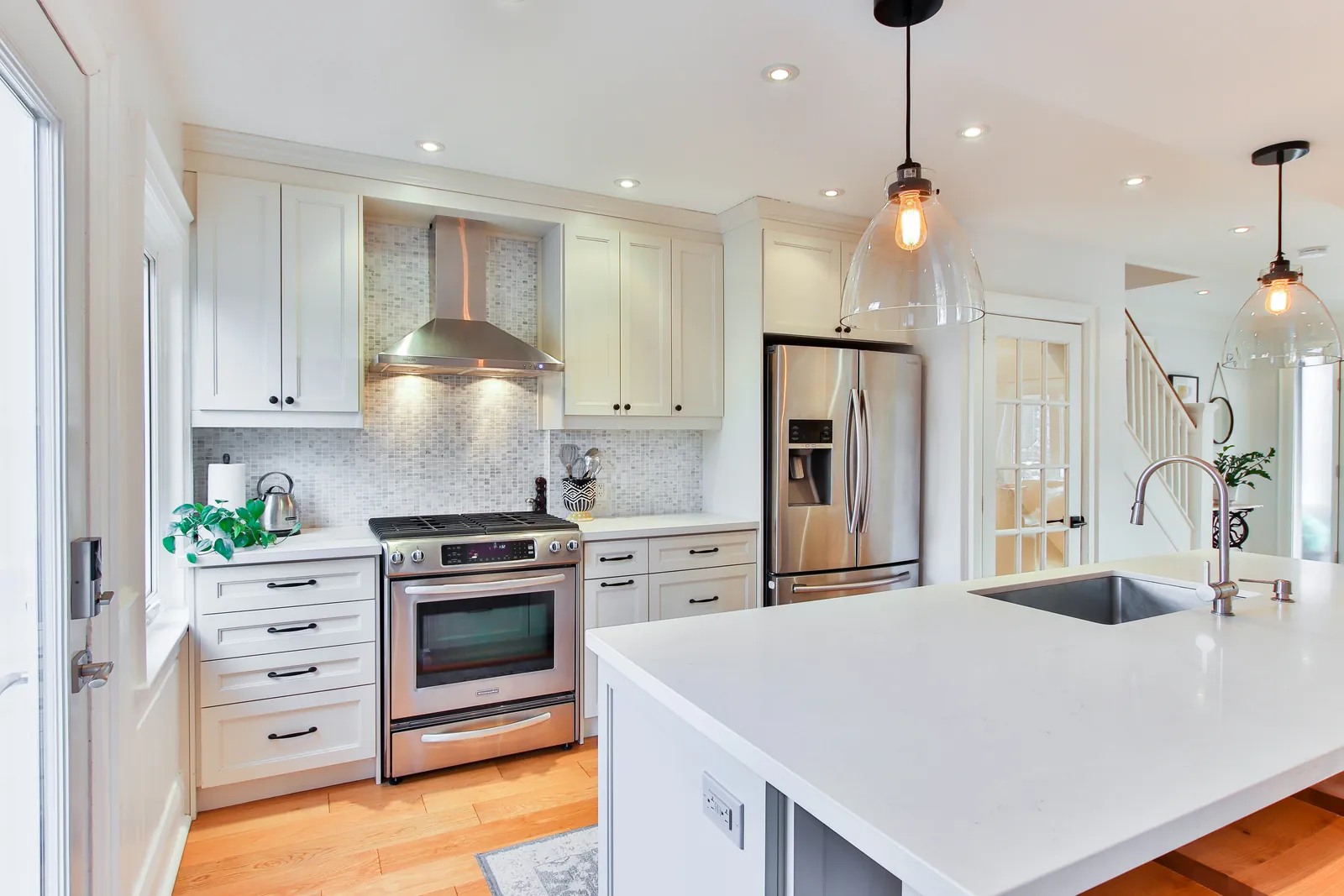
Semi-gloss and gloss
Higher sheen is often considered for trim, doors, selected cabinets, and moisture-prone surfaces.
It reflects more light and can highlight sanding marks, dents, brush texture, and repaired areas.
Coordinate adjacent surfaces
Wall, trim, door, cabinet, and ceiling finishes should be viewed together.
Using too many sheen levels can make a room feel busy, while a coordinated schedule helps details read clearly.
Homeowner comparison checklist
- Room lighting and window exposure
- Surface texture and repair visibility
- Children, pets, cleaning, and traffic
- Moisture and ventilation
- Trim and cabinet coordination
- Sample of exact product and sheen
Frequently asked questions
Is satin always best for bathrooms?
Not automatically. Ventilation, direct water exposure, surface condition, and product-specific moisture resistance matter.
Can you paint flat over semi-gloss?
The glossy surface usually needs cleaning and adhesion preparation, and primer may be appropriate depending on the coating and condition.
Why does touch-up paint flash?
Differences in sheen, application tool, film thickness, age, lighting, and product can make the touch-up visible.