
Quick answer
The best questions turn a vague painting quote into a clear scope that can be compared with other proposals.
Scope and preparation
Ask exactly which rooms, elevations, surfaces, doors, trim, closets, repairs, washing, scraping, sanding, caulking, and primer are included.
Request written assumptions for areas that cannot be fully evaluated until work begins.

Products and coats
Ask for the manufacturer, product line, sheen, primer, and expected number of coats—not only the brand name.
Clarify how strong color changes, stains, porous surfaces, and touch-up limitations will be handled.
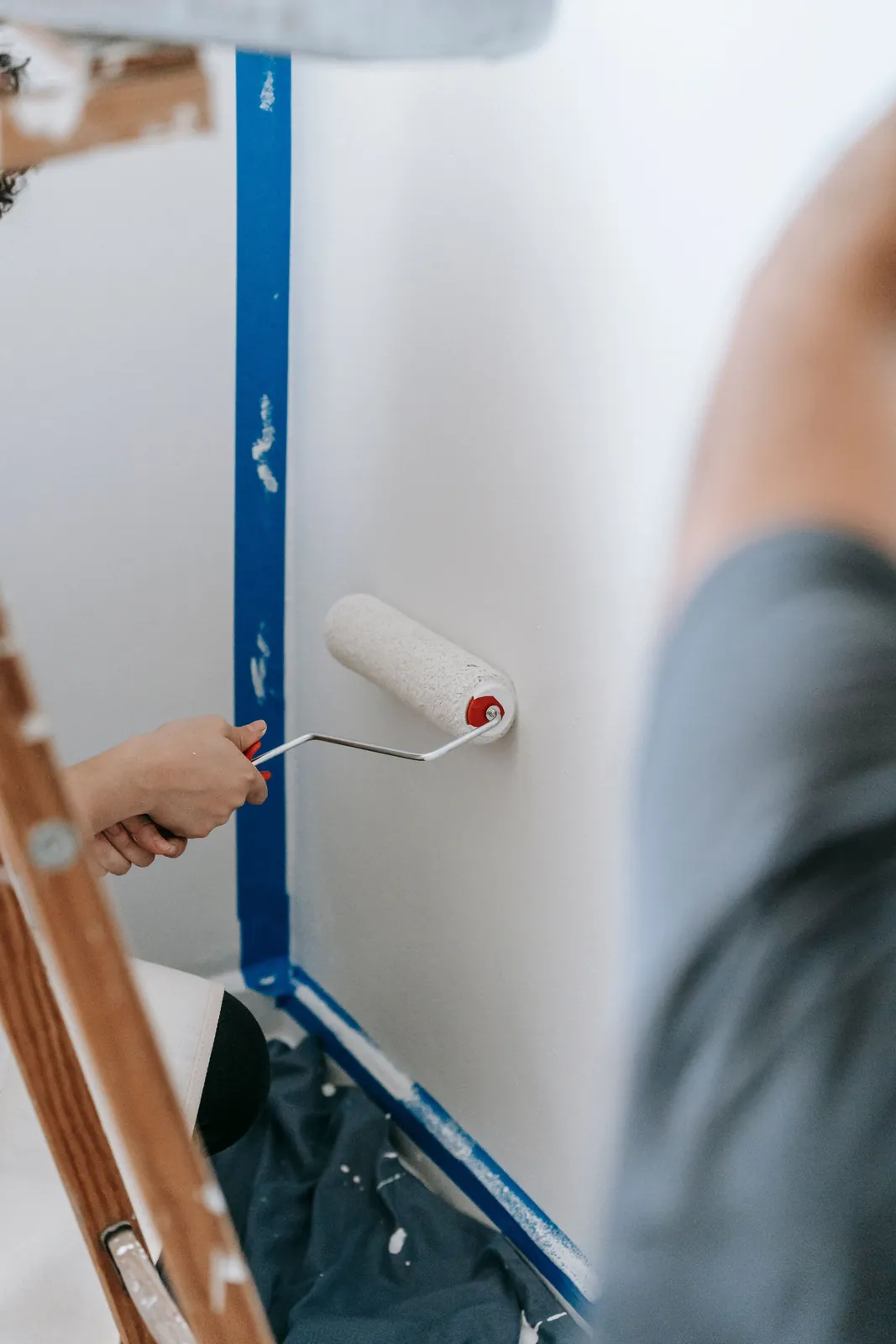
Crew and property protection
Discuss employees or subcontractors, supervision, insurance, ladders or lifts, daily cleanup, furniture, floors, landscaping, pets, alarms, and access.
For occupied homes and businesses, communication and sequencing matter.
Schedule, payment, and warranty
Ask for estimated start and completion ranges, weather contingencies, deposit and progress-payment terms, change-order procedure, punch list, and warranty exclusions.
A clear contract protects both homeowner and contractor.
Homeowner comparison checklist
- License or registration where applicable and insurance
- Detailed written scope
- Preparation and repair plan
- Product and coat schedule
- Crew, supervision, protection, and cleanup
- Payment terms, change orders, warranty, and final walkthrough
Frequently asked questions
Should I ask for references?
Yes. Recent projects similar to yours can help you evaluate communication, cleanliness, schedule, and durability.
Is a verbal estimate enough?
A written scope is much safer because it records surfaces, preparation, products, coats, price, exclusions, and payment terms.
Should all bids use the same paint brand?
Not necessarily, but they should identify comparable quality levels and complete coating systems so you can make a fair comparison.