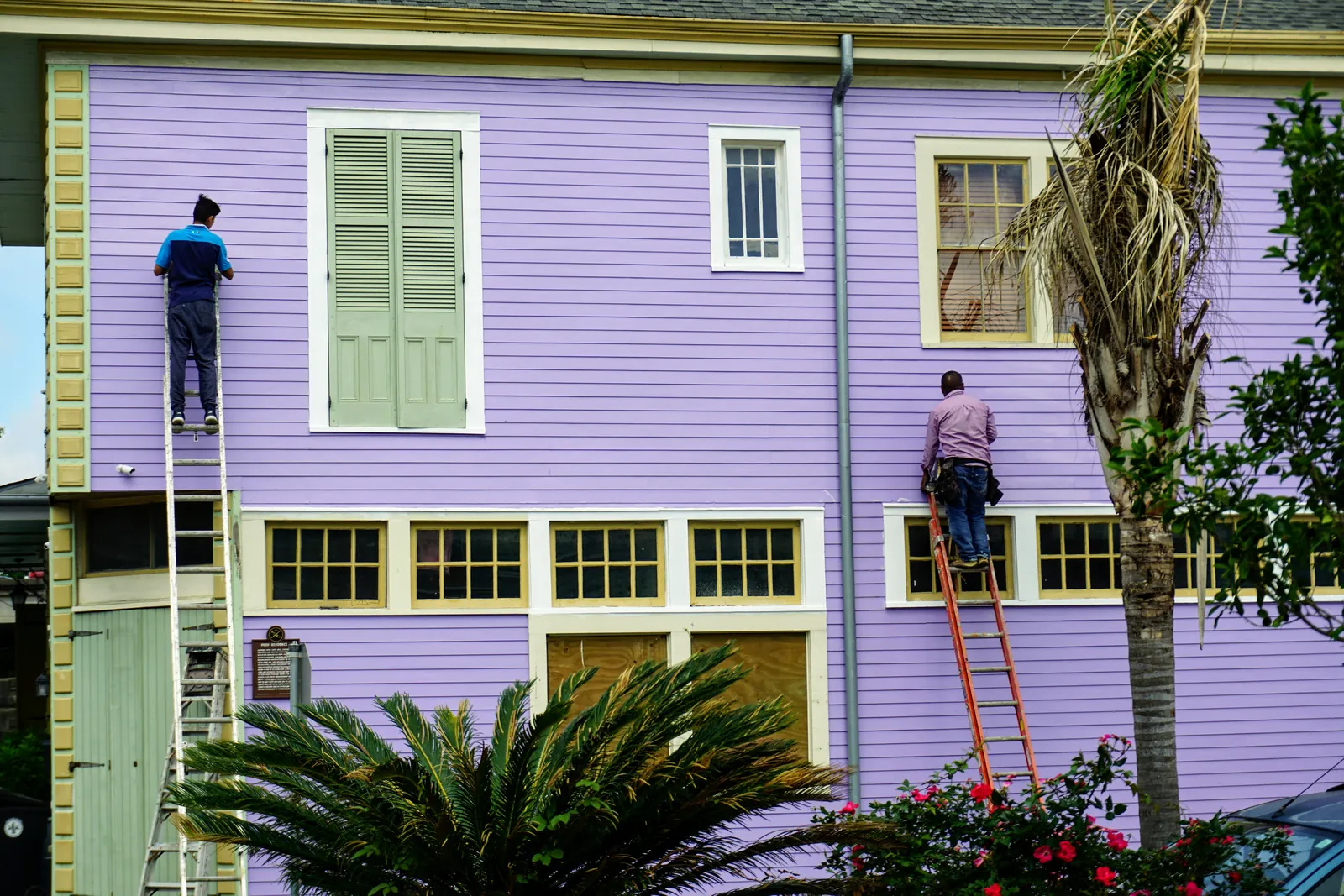
Quick answer
Exterior surfaces should be clean, but the cleaning method and pressure must fit the material and condition.
What cleaning removes
Washing can remove dirt, pollen, cobwebs, loose chalk, salt residue, mildew, and contaminants that interfere with adhesion.
It does not replace scraping, sanding, caulking, or repair.
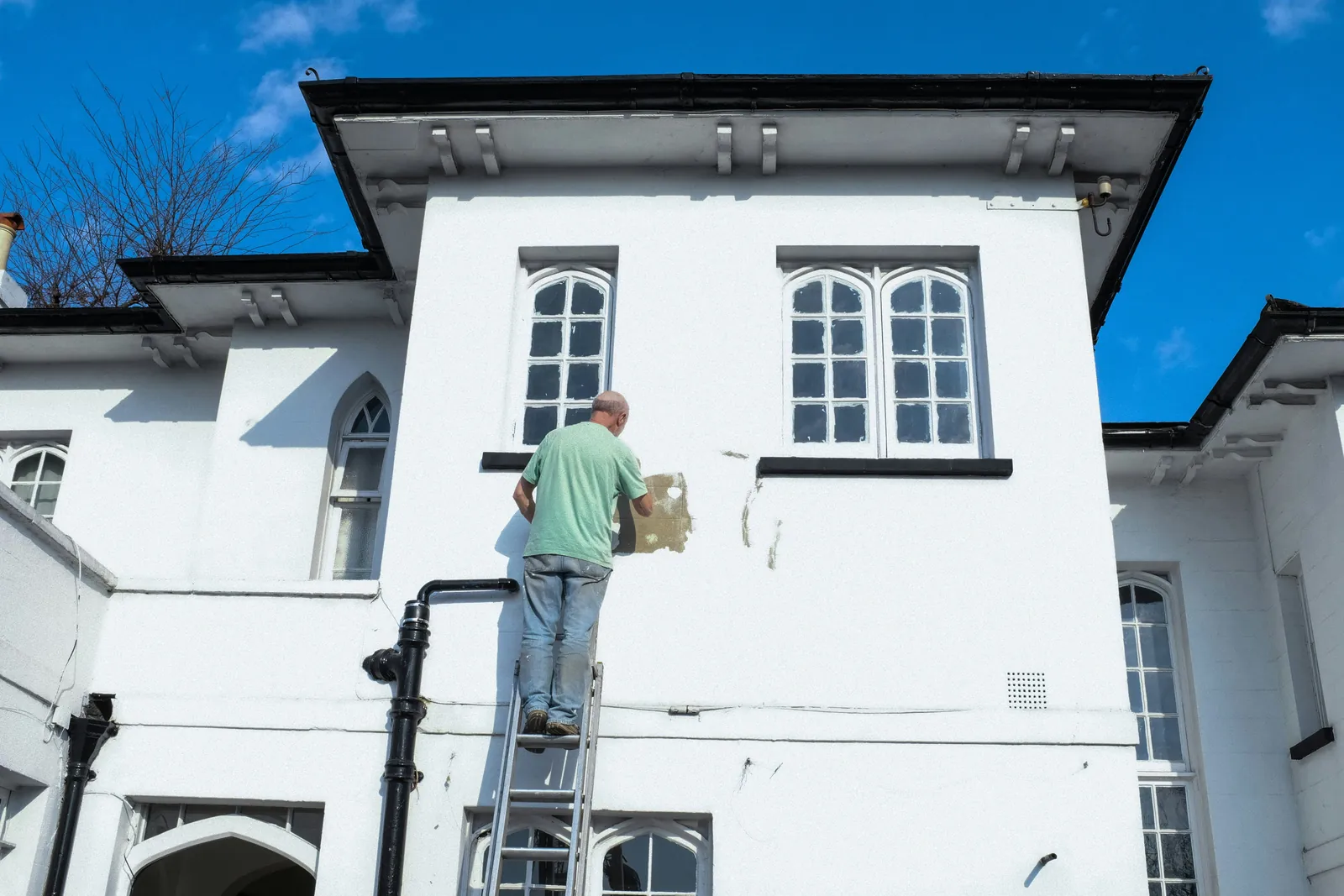
Risks of excessive pressure
High pressure can damage wood fibers, scar stucco, force water behind siding, disturb sealants, and leak around openings.
Older homes and fragile surfaces often need gentler methods.
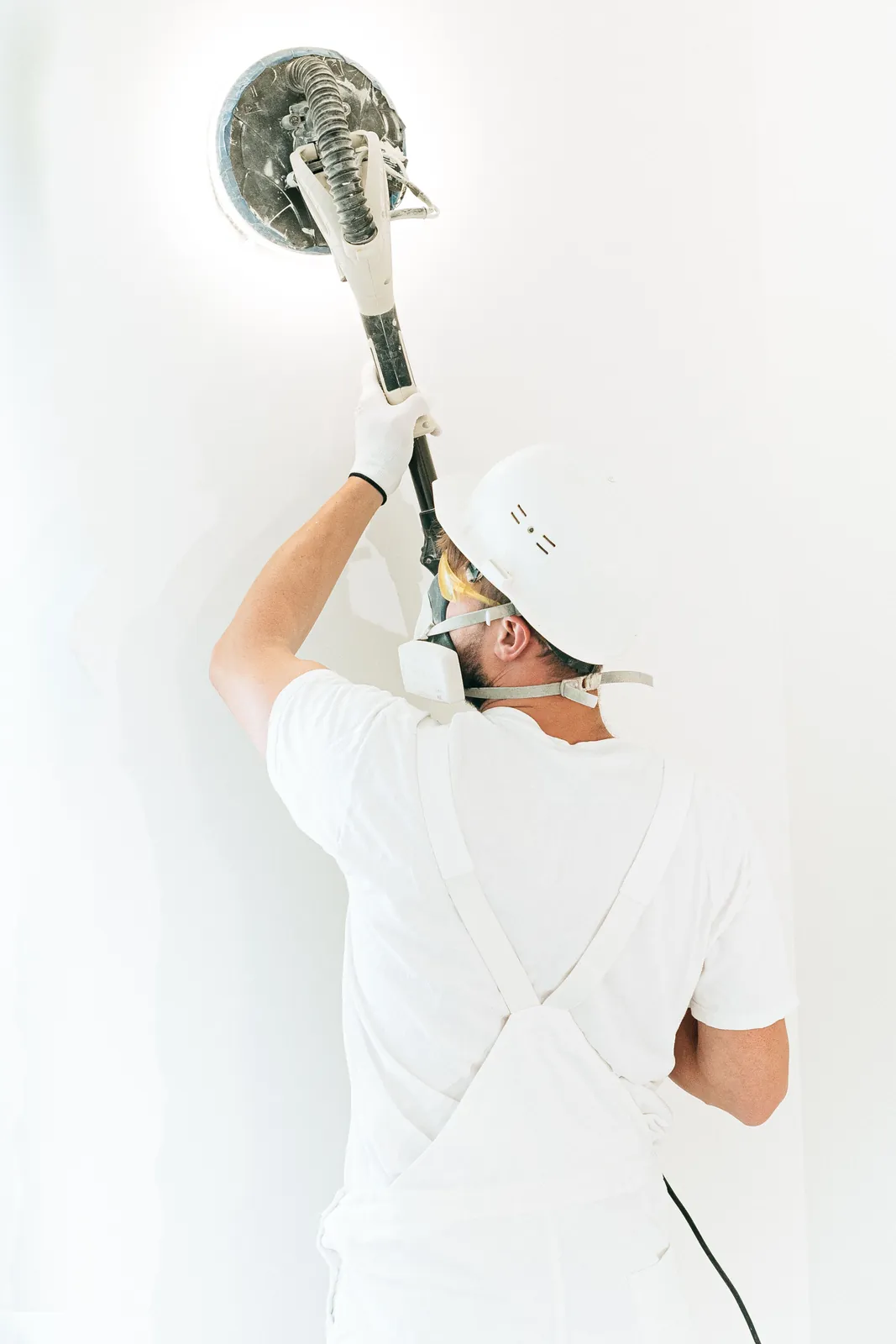
Drying time
Porous materials and hidden joints may retain moisture after the surface looks dry.
Humidity, shade, rain, and airflow affect the waiting period before primer or paint.
Sequence after washing
Once dry, the surface should be inspected again for peeling, cracks, failed caulk, rust, and areas exposed by cleaning.
Preparation and primer decisions can then be finalized.
Homeowner comparison checklist
- Identify the substrate
- Select controlled pressure and chemistry
- Protect plants and openings
- Rinse residue thoroughly
- Allow adequate drying
- Inspect and repair after cleaning
Frequently asked questions
Can painting begin the day after washing?
Sometimes, but not automatically. Weather, substrate, shade, water entry, and product requirements determine readiness.
Does washing kill all mildew permanently?
Cleaning removes existing growth, but moisture, shade, vegetation, and airflow influence whether it returns.
Can pressure washing remove old paint?
It may remove loose paint, but controlled scraping and sanding are usually still needed to create sound edges.