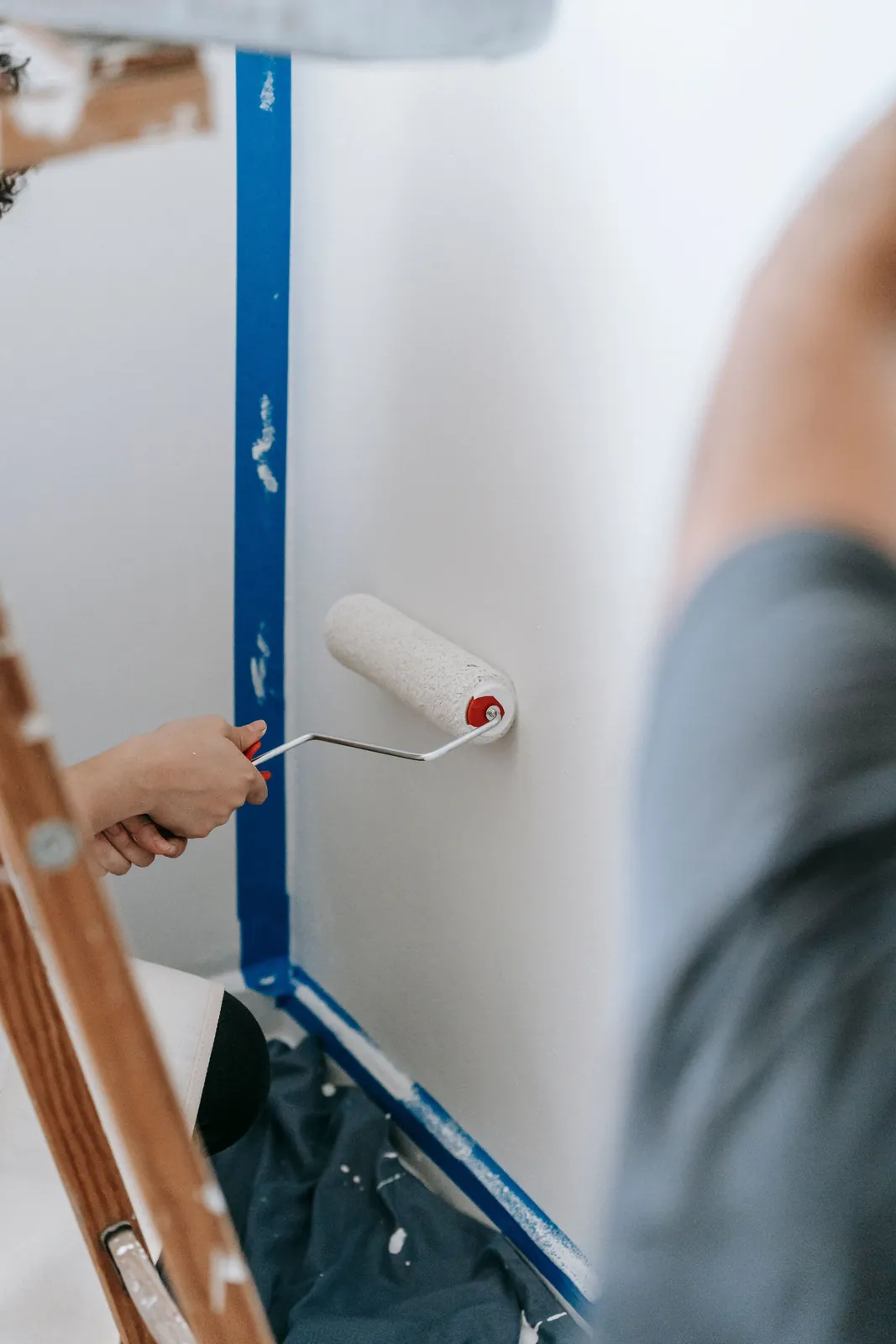
Quick answer
Primer is a problem-solving layer. Use it when the surface needs sealing, adhesion, stain blocking, corrosion control, or a compatible base for the finish coat.
Bare and porous surfaces
New drywall compound, bare wood, masonry repairs, and porous patches absorb finish paint differently.
Primer can equalize absorption and support a more uniform appearance.
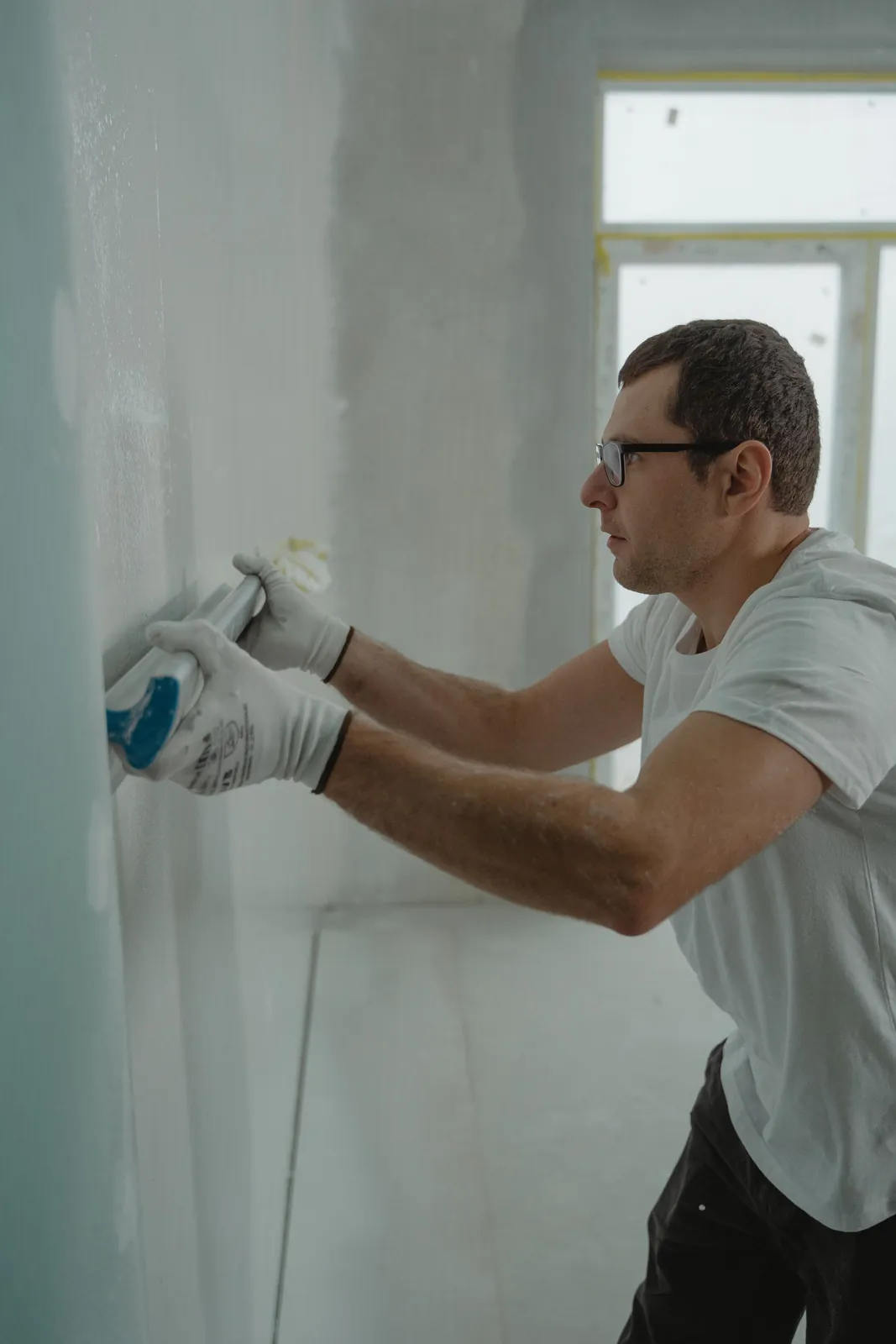
Stains and odors
Water stains, tannins, smoke, markers, and other contaminants may migrate through ordinary paint.
The correct blocking primer depends on the stain and surface.
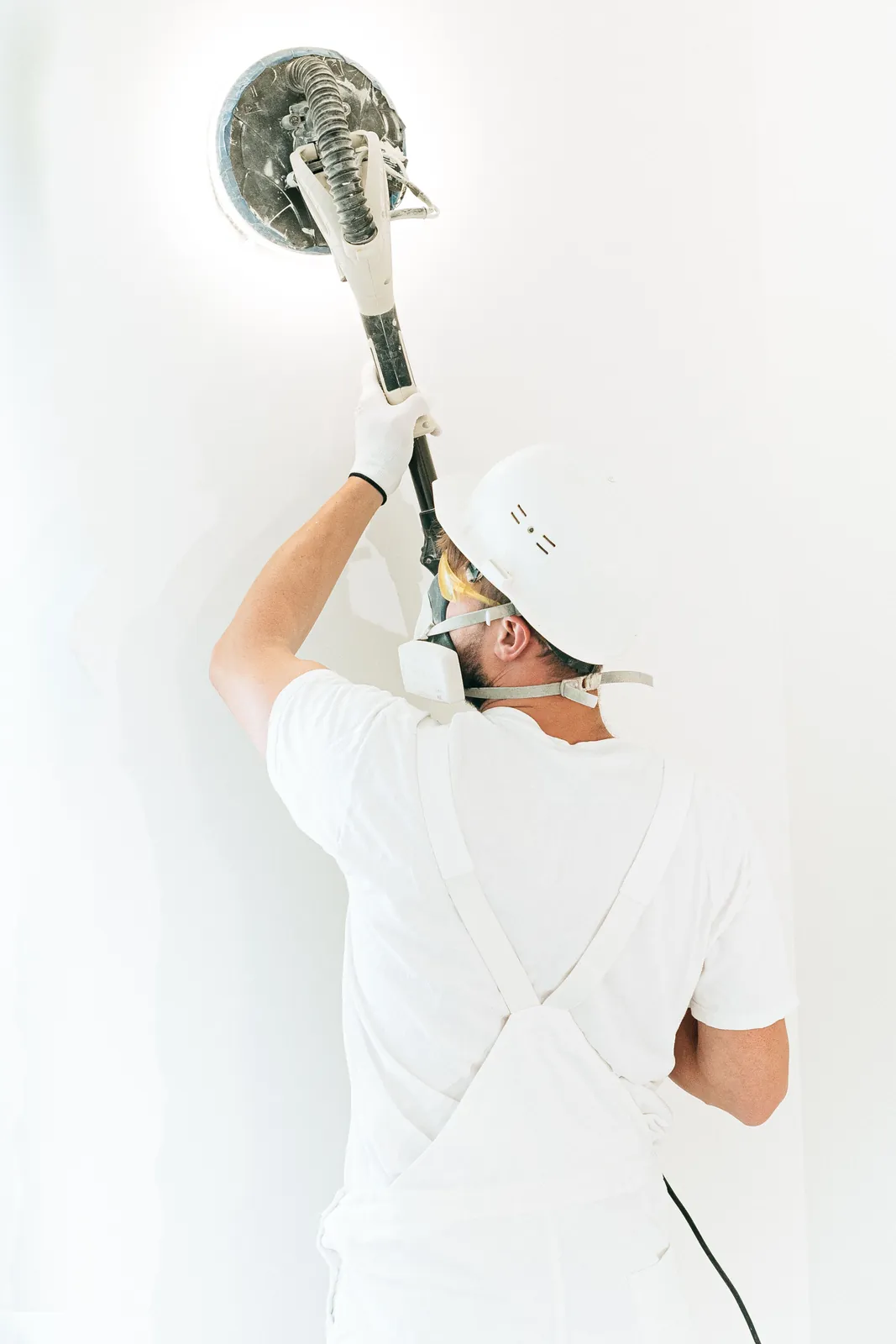
Glossy or difficult coatings
Smooth, hard, glossy, laminate, metal, and previously coated cabinets may need cleaning, sanding, and an adhesion primer.
Primer cannot compensate for contamination or loose layers.
Color changes
A tinted primer can help with selected strong colors, but many color changes are handled with finish coats.
The contractor should explain whether primer is being used for color, surface condition, or both.
Homeowner comparison checklist
- Identify bare or patched areas
- Check for stains and odors
- Test adhesion on glossy surfaces
- Confirm wood tannins or rust
- Match primer to finish product
- Follow recoat and cure requirements
Frequently asked questions
Should every repaint receive full primer?
No. Sound, clean, compatible existing paint often can be recoated directly after preparation.
Can primer hide drywall patches by itself?
Primer seals the patch, but texture and surface profile still need to be blended before finish paint.
Is white primer best for every color?
Not always. Gray or tinted primer may support selected colors, while specialty primers are chosen for function rather than color.