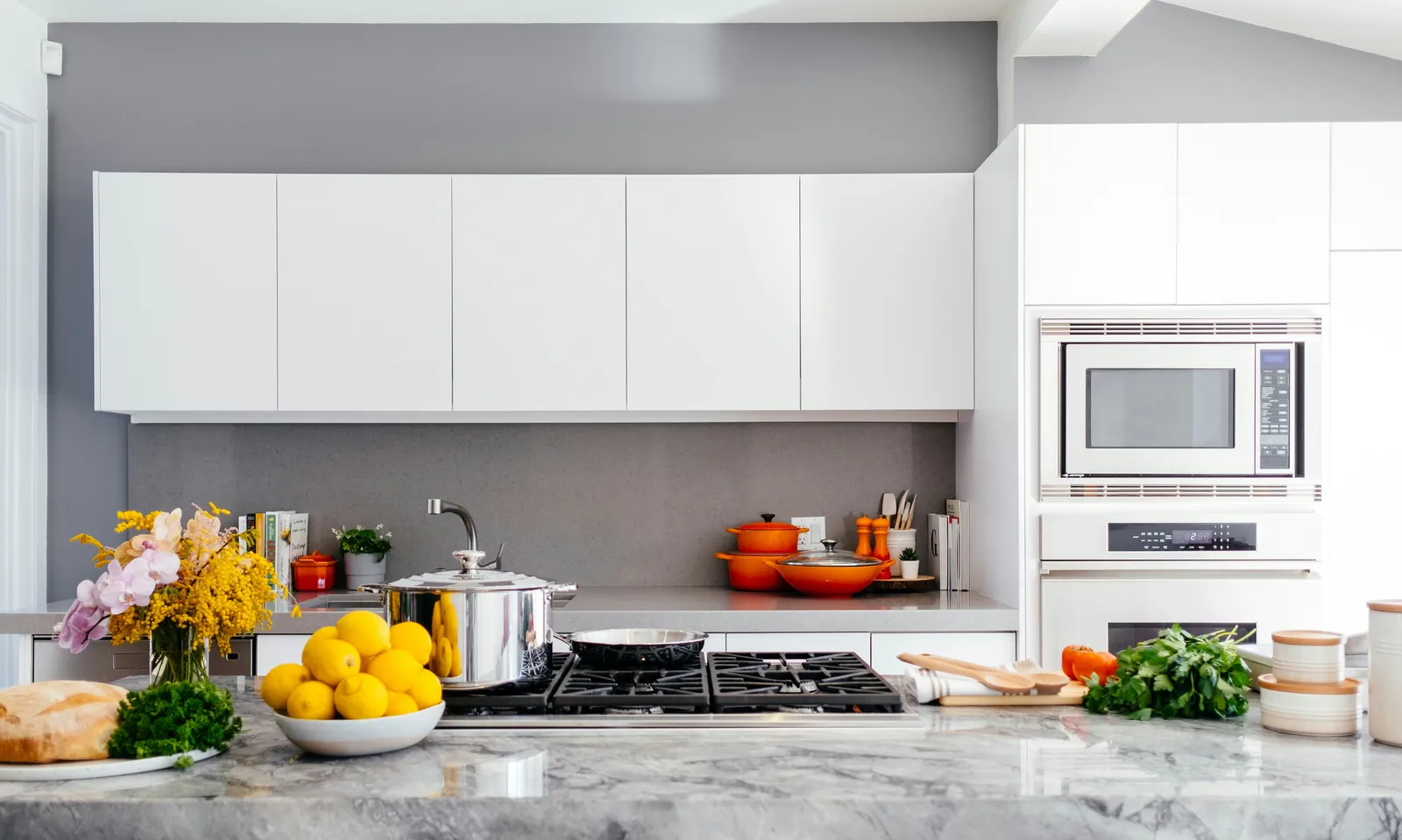
Quick answer
A durable bathroom or kitchen finish depends on ventilation, clean surfaces, compatible primer, and product-specific washability and moisture resistance.
Moisture and ventilation
Bathrooms with weak exhaust and kitchens with steam or grease place more stress on coatings.
Paint cannot solve active leaks, condensation, or inadequate ventilation by itself.
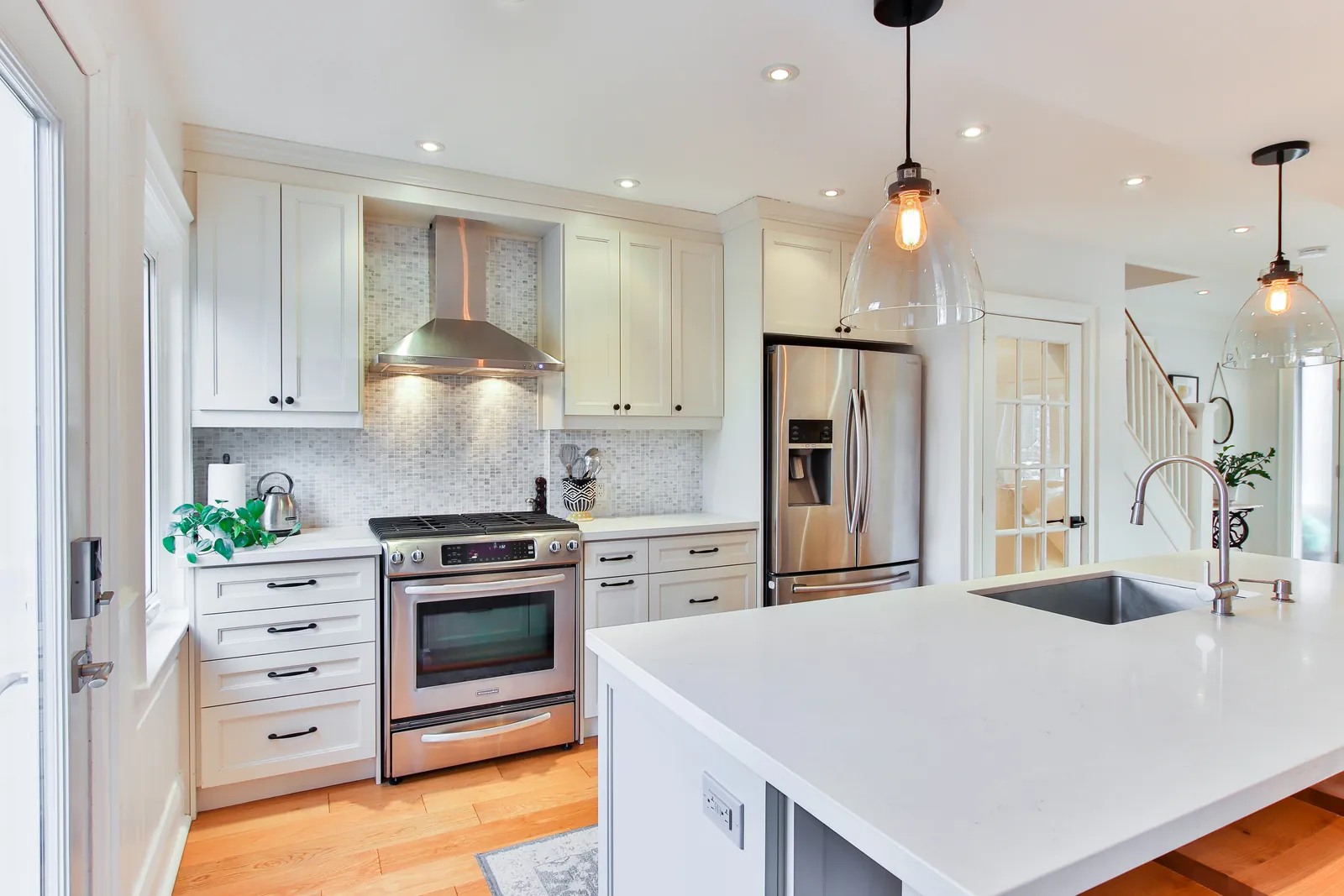
Cleaning and contamination
Soap residue, hairspray, cooking oils, and cleaning products should be removed before sanding or coating.
Painting over invisible residue can cause adhesion and fisheye problems.
Sheen and product
Eggshell, satin, and semi-gloss are often discussed, but product-specific performance matters more than the sheen name alone.
Higher sheen can be easier to clean but may highlight repairs and texture.
Stains and mildew
Existing mildew should be cleaned appropriately, and recurring moisture sources should be corrected.
Water or tannin stains may need blocking primer before finish paint.
Homeowner comparison checklist
- Test exhaust fan and ventilation
- Repair leaks and damaged caulk
- Degrease and rinse surfaces
- Address mildew and stains
- Choose product and sheen together
- Allow full dry and cure time
Frequently asked questions
Is semi-gloss required in bathrooms?
No. Many premium satin or eggshell products are designed for moisture-prone spaces. Surface and ventilation matter.
Can I paint over kitchen grease?
No. Residue should be removed with a compatible cleaning process and the surface rinsed and dried.
Will mildew-resistant paint stop all mildew?
It can help the coating resist growth, but humidity, condensation, leaks, shade, and cleaning still need attention.