Local property & painting considerations
Planning painting work for this St. Augustine-area community
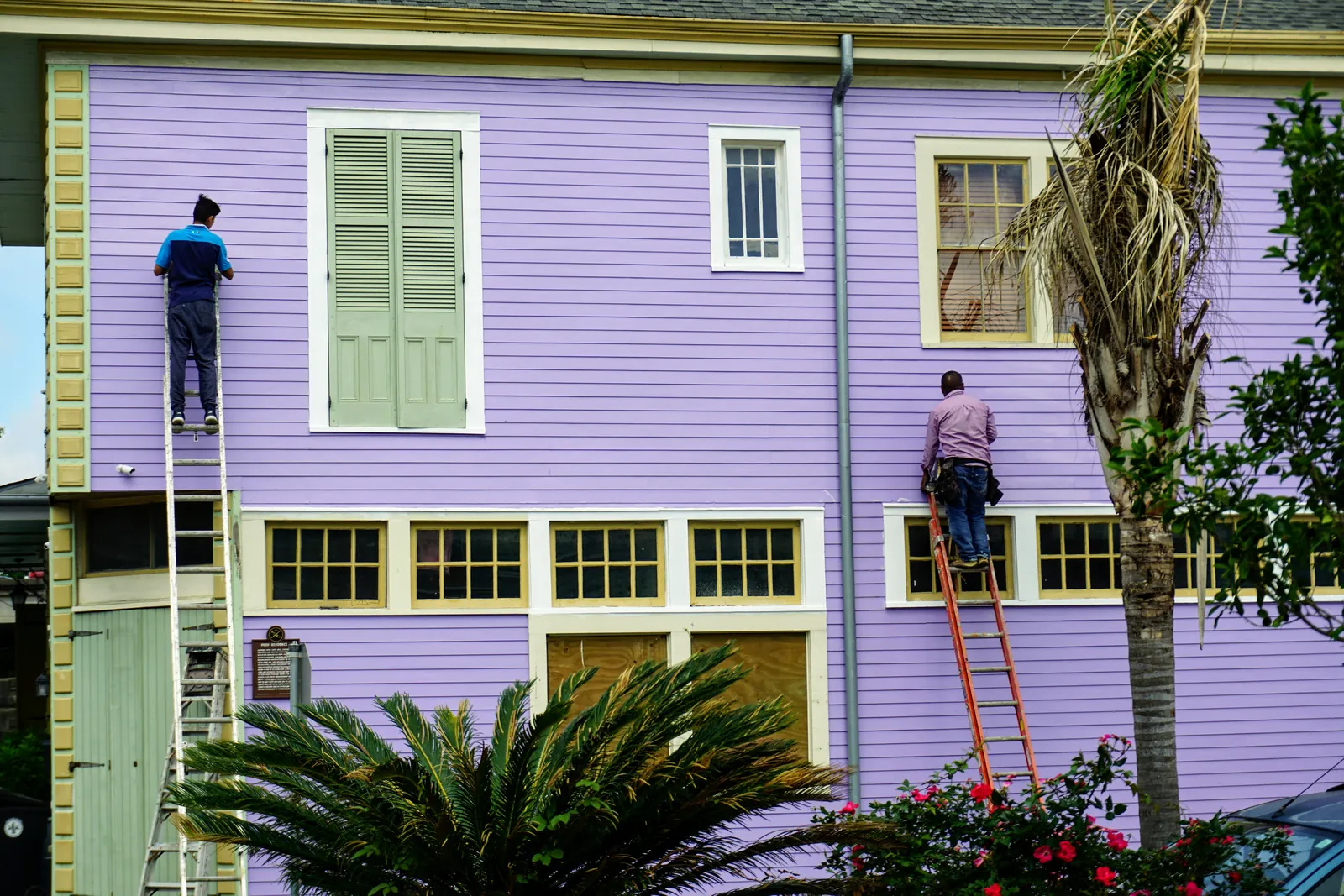
Historic Downtown and Lincolnville properties may include old wood siding, detailed porches, plaster, original trim, repaired masonry, layered coatings, and additions from several eras.
Preparation should preserve sound material while addressing loose paint, moisture, rot, failing sealants, rust, and incompatible previous coatings.
Pre-1978 painted surfaces may require lead-safe renovation practices when they are disturbed. Testing, containment, certified firms, and cleanup procedures should be discussed before sanding or scraping.
Visible exterior changes may be subject to historic-preservation guidance or review. Color, repair materials, and methods should be confirmed before the project begins.
Common project details to discuss
- Old wood siding, porches, shutters, windows, and trim
- Plaster walls, ceilings, cracks, and previous repairs
- Lead-safe evaluation and containment
- Gentle cleaning and surface preparation
- Moisture, rot, sealants, and flashing concerns
- Historic color guidance and approvals
- Mockups, documentation, and preservation expectations
Helpful official resources
These sources provide additional information relevant to the topic.
Questions homeowners often ask
Can old peeling paint be sanded normally?
Older coatings may contain lead. The property's age and applicable EPA rules should be considered before disturbing paint.
Can damaged historic trim simply be replaced?
Repair and replacement decisions may involve preservation requirements, material matching, and skilled carpentry. Confirm local guidance before altering visible historic fabric.