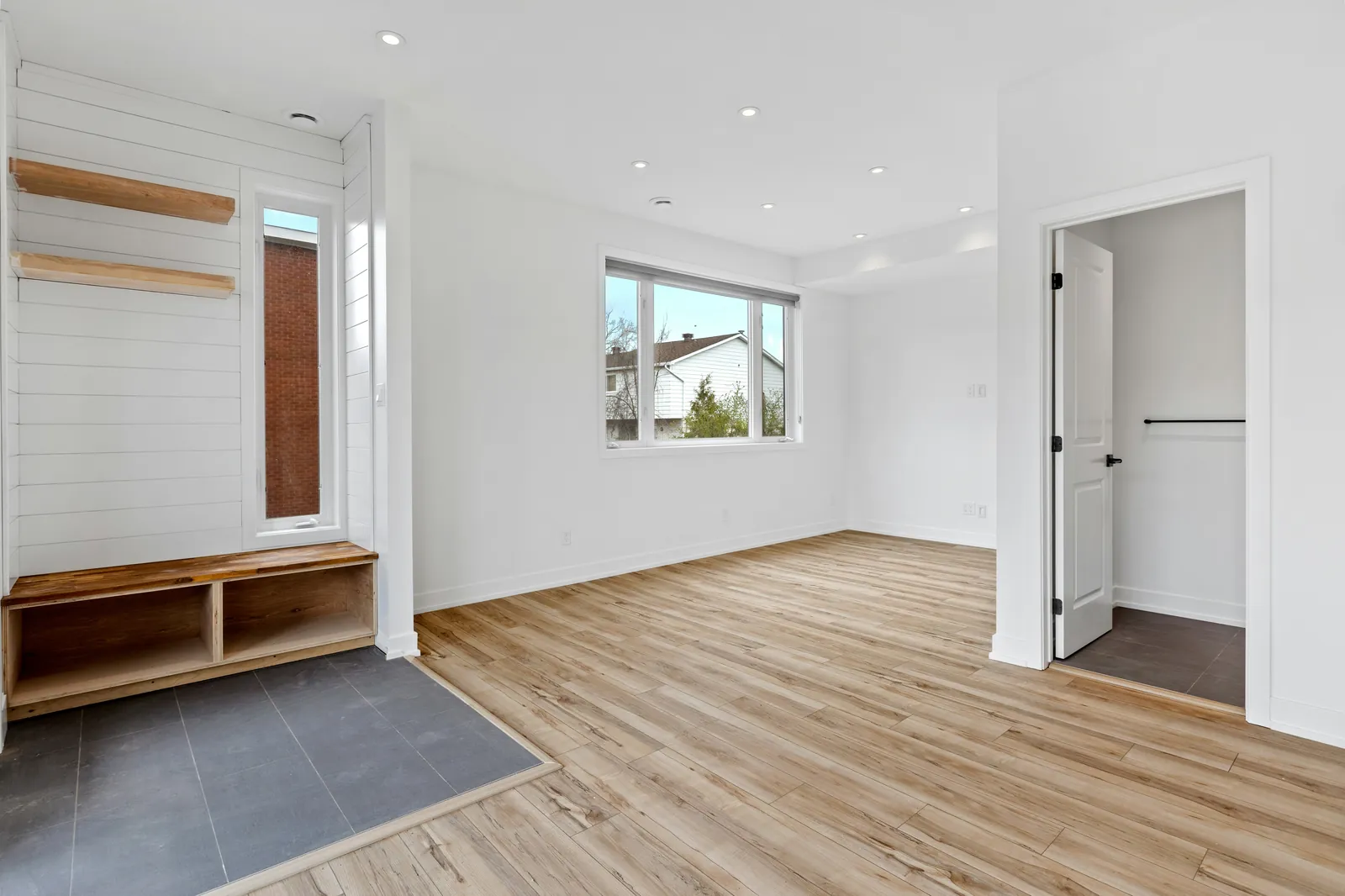
Quick answer
Painting before move-in is often easier because rooms are empty, but coordinate the work with closing, flooring, cleaning, repairs, utilities, and delivery schedules.
Why empty rooms help
Painters can access walls, trim, closets, and ceilings without repeatedly moving furniture and belongings.
Floor and fixture protection is still required, but the setup is simpler.
Inspect before choosing colors
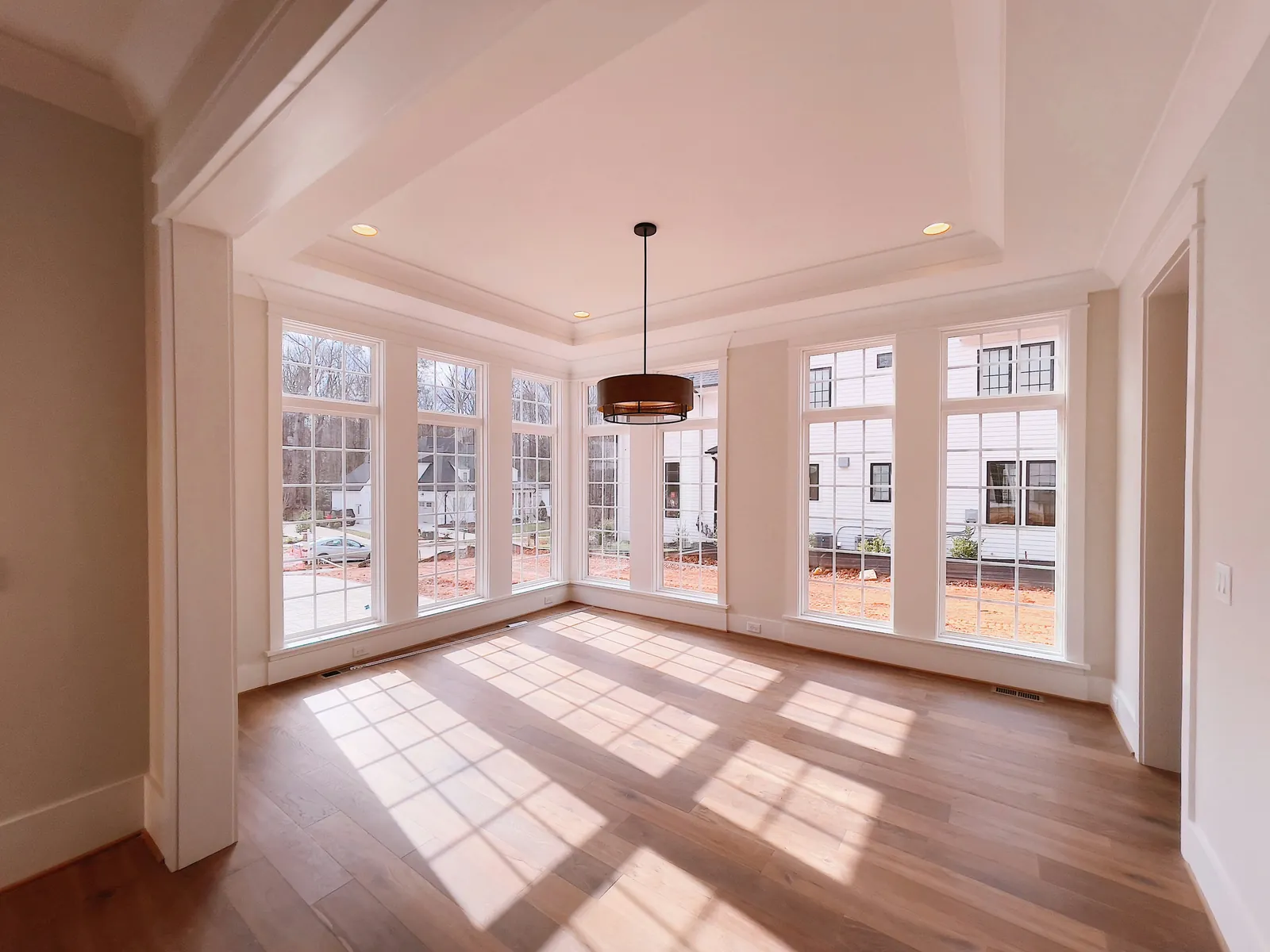
Walk the home in daylight and review flooring, cabinets, countertops, tile, and window exposure.
New buyers often discover repairs and stains after furniture is removed.
Coordinate other work
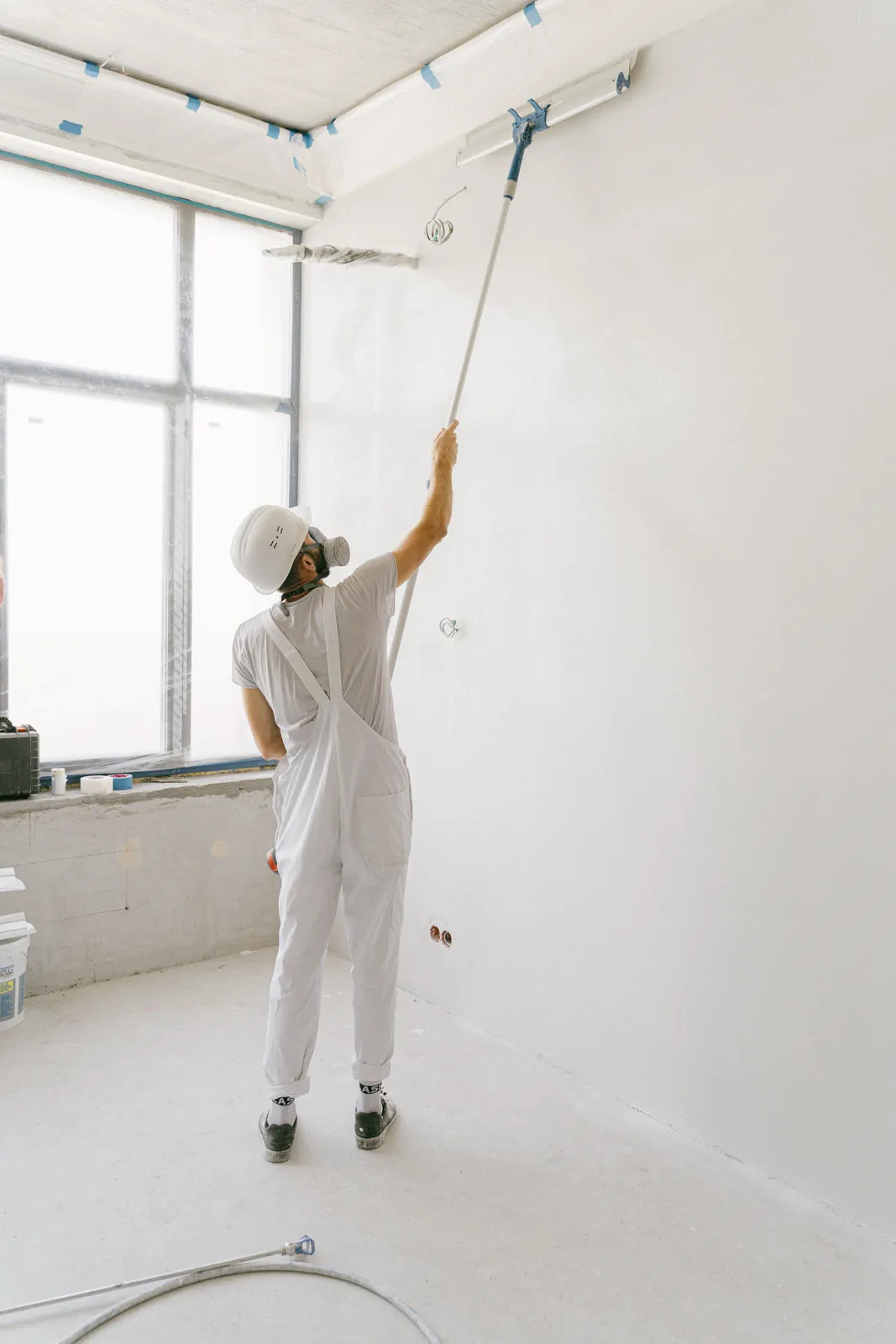
Floor refinishing, new flooring, electrical changes, drywall repair, cabinets, and deep cleaning affect the painting sequence.
Agree on responsibility for baseboards and touch-ups after other trades.
Allow drying and cure
Finishing early gives rooms time to ventilate and coatings time to harden before furniture contacts walls and trim.
Keep labels and color records for future touch-ups.
Homeowner comparison checklist
- Confirm closing and possession dates
- Keep utilities and HVAC operating
- Inspect empty rooms and document repairs
- Coordinate floors, cleaners, and other trades
- Approve colors before start
- Schedule final walkthrough before move-in
Frequently asked questions
Should floors or walls be completed first?
The answer depends on the flooring process, baseboards, dust, protection, and schedule. Coordinate the trades rather than relying on one universal sequence.
Can painters work before closing?
Only with written permission, insurance, access, and clear responsibility. Many buyers wait until they have legal possession.
Should closets be painted before move-in?
If desired, empty closets are much easier to paint before clothing and shelving contents are installed.