Quick answer
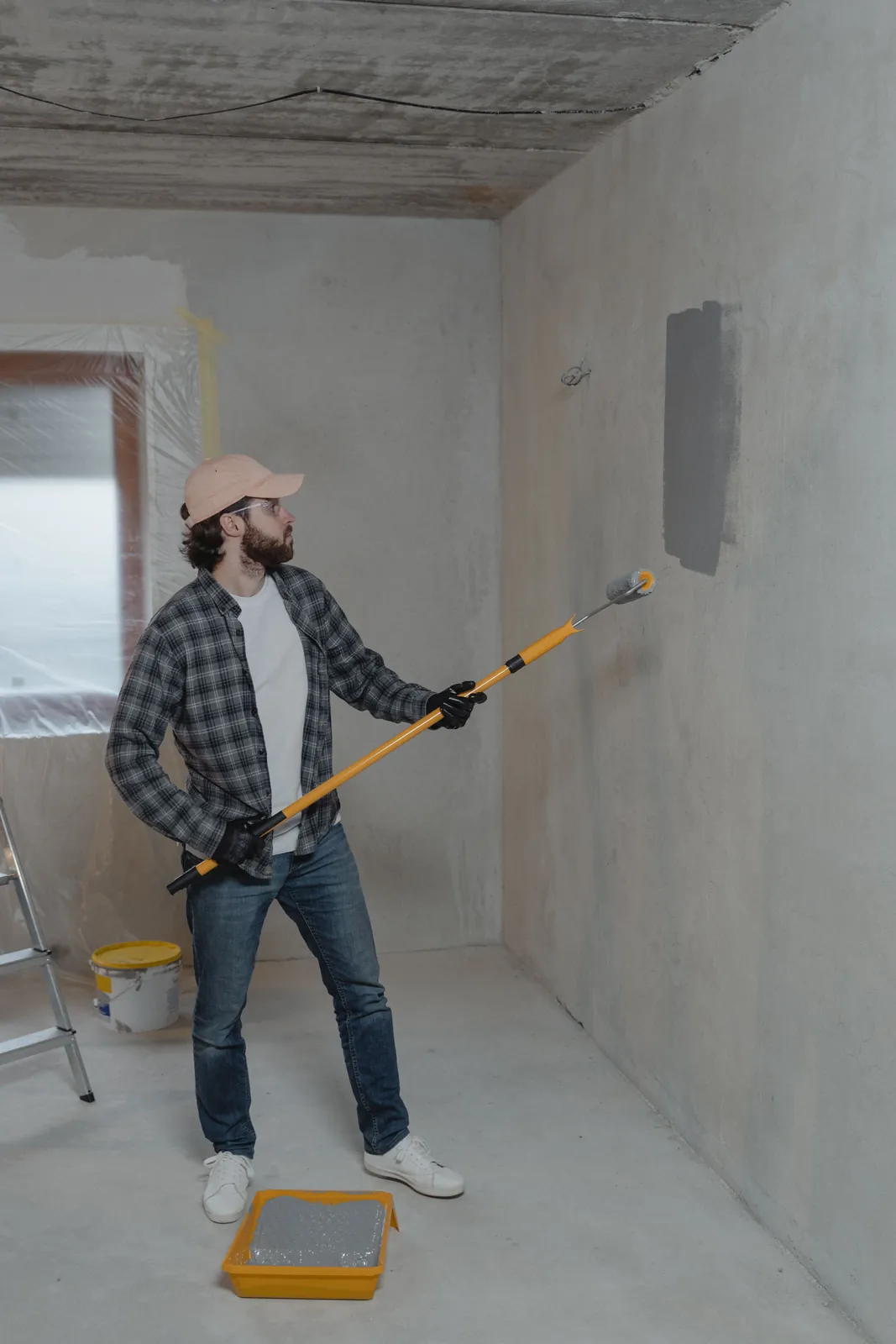
The correct number of coats depends on the surface and system. A blanket promise of one coat or two coats is less useful than a written coverage standard.
Why one coat may work
A similar color over a sound, sealed surface with a high-quality product may reach uniform coverage in one finish coat.
This should be evaluated after drying, not assumed from wet appearance.

Why two coats may be needed
Strong color changes, porous walls, repairs, dark colors, bright accent colors, weathered exteriors, and uneven existing sheen often need more film build.
Two coats can also improve uniformity and durability depending on the product system.
Primer is not always a finish coat
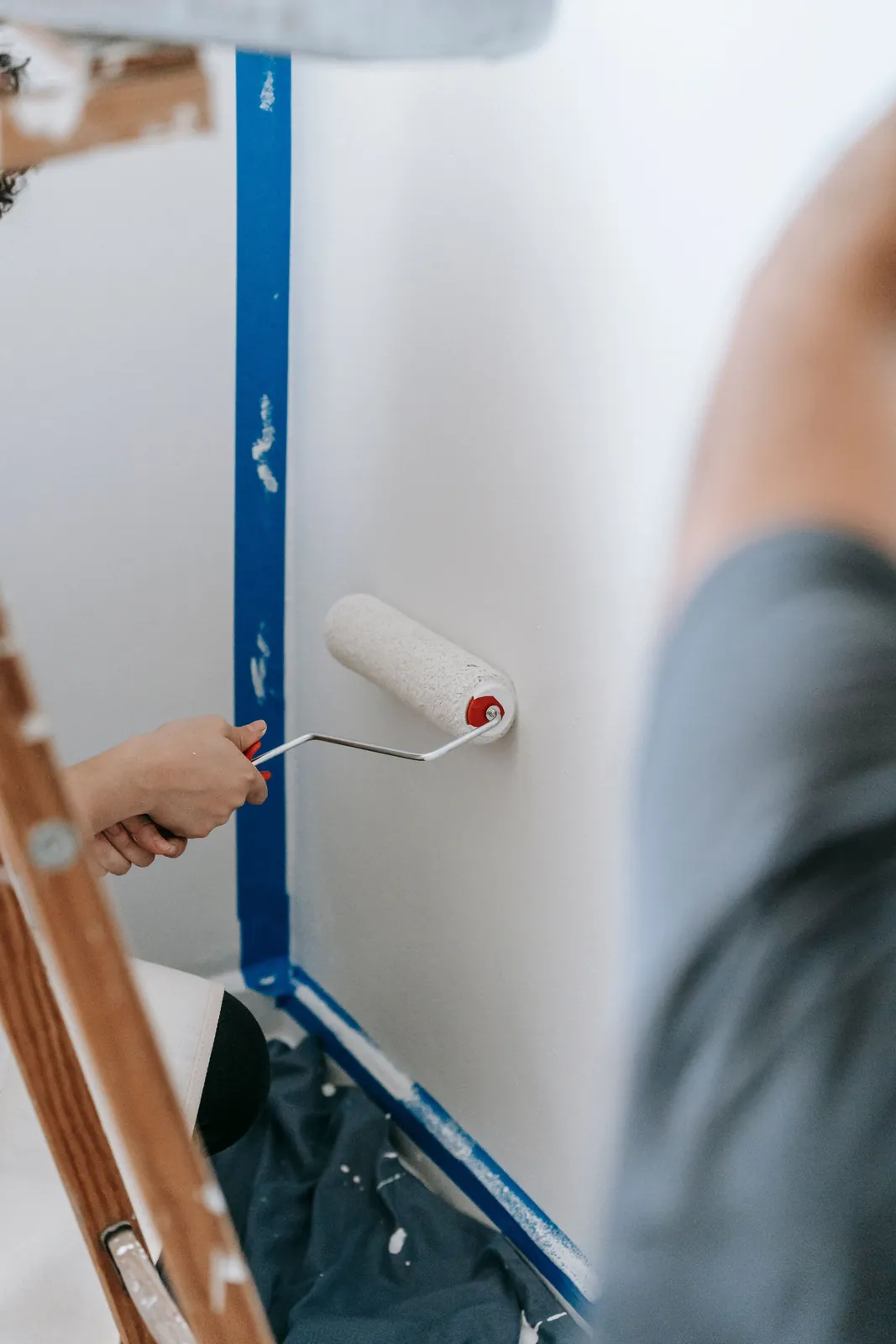
Primer solves adhesion, porosity, staining, or color-base issues, but it may not provide the appearance and protection of finish paint.
The proposal should separate primer from finish coats.
Define the standard
A contract can state the planned coats plus an expectation of uniform color and coverage.
This is clearer than arguing about a coat count when surfaces behave differently.
Homeowner comparison checklist
- Current and new colors
- Surface porosity and repairs
- Primer requirements
- Manufacturer spread rate
- Uniform dried coverage standard
- Touch-up and final inspection process
Frequently asked questions
Does paint-and-primer-in-one eliminate primer?
No. That marketing term does not replace specialty primer when adhesion, stains, bare substrate, or difficult surfaces require it.
Can one thick coat replace two normal coats?
Applying beyond the recommended film thickness can create drying and performance problems. Follow product spread rates and recoat instructions.
Should exterior paint always receive two coats?
Not universally, but many exterior conditions benefit from additional film build. The substrate, primer, color, product, and existing coating determine the system.